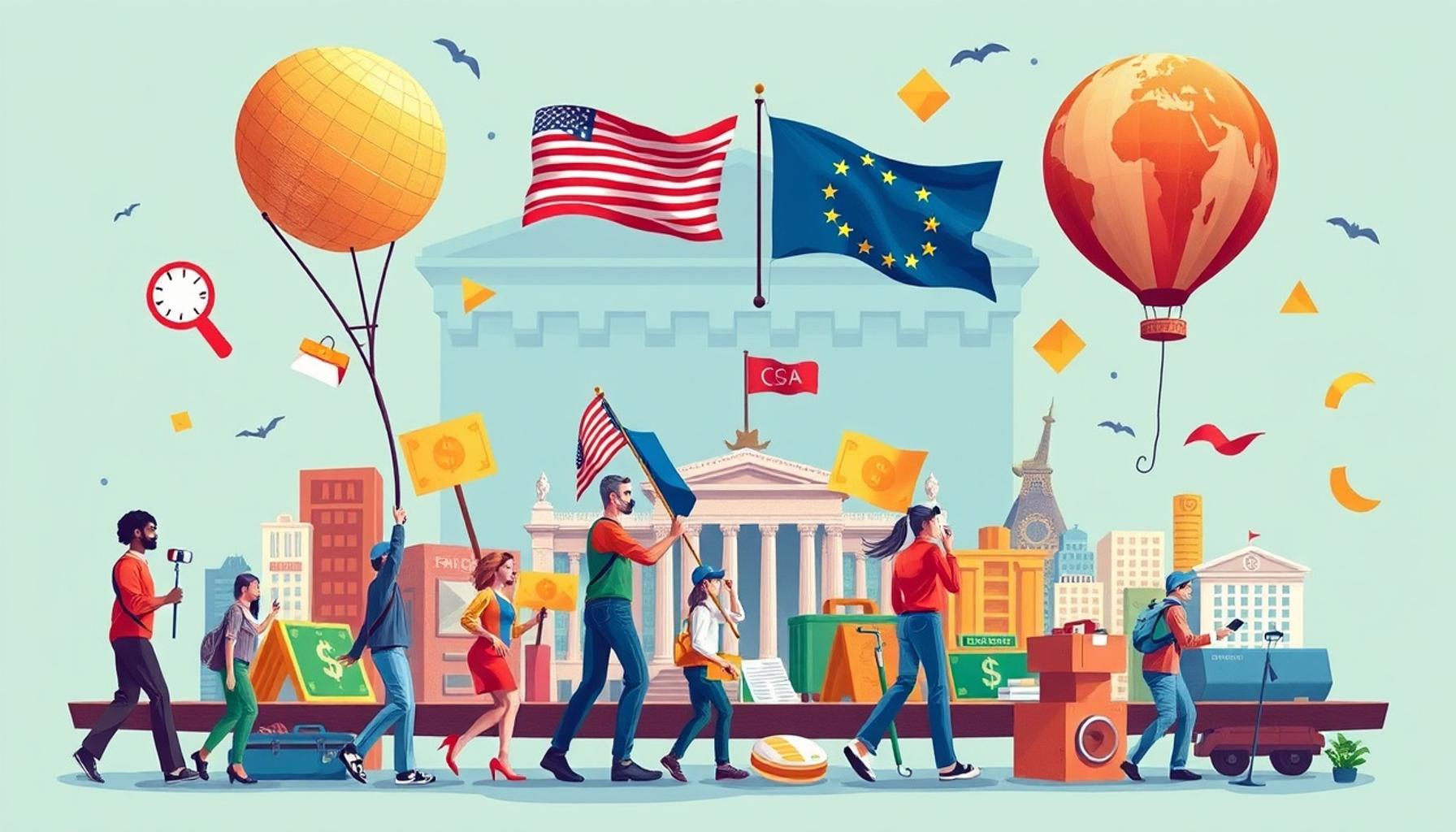
The Role of Social Media in Shaping Public Opinion During Elections in the USA

The Power of Social Media in Shaping Electoral Dynamics
In today’s interconnected world, the landscape of communication has undergone a dramatic transformation, especially with the advent of social media. Platforms such as Facebook, Twitter, and Instagram have not only altered how individuals connect but also revolutionized the political sphere, particularly during election cycles. The impact of social media on voter behavior and engagement is significant, indicating a fundamental shift in how elections are conducted and perceived.
Viral Content
Viral content plays a pivotal role in shaping public opinion as it facilitates rapid dissemination of information. Memes, videos, and infographics can capture the attention of a vast audience, often highlighting key issues, candidates’ strengths, or weaknesses in a humorous or relatable way. For instance, during the 2020 U.S. Presidential election, memes mocking candidates or emphasizing pivotal issues like healthcare and climate change went viral, potentially swaying undecided voters. The accessibility and shareability of such content help to simplify complex political messages into digestible formats, making them more engaging and easier to understand for the general public.
Targeted Advertising
Another significant aspect is targeted advertising. Political campaigns utilize sophisticated data analytics to segment voters based on demographics such as age, location, and interests. This granular targeting allows campaigns to tailor their messages and advertisements to resonate with specific audiences. For instance, younger voters might see ads focusing on climate change, while older voters might encounter messages around social security reforms. Facebook and Google provide platforms where campaigns can create ads that specifically reach these segments, maximizing the efficiency of their outreach efforts.
Real-time Interaction
Real-time interaction is yet another crucial element facilitated by social media. Unlike traditional media, where candidates could only respond to voter inquiries or comments after significant delays, social media allows for instantaneous conversation. Candidates can engage with voters directly through live Q&A sessions, tweets, or comment sections, addressing concerns or clarifications in real time. For instance, during the 2020 election, many candidates used live streams to share their policy proposals directly and answer pressing questions from potential voters, increasing transparency and building trust.
The Double-edged Sword
However, the influence of social media in elections is not without its challenges. As much as social media provides a forum for diverse voices, it is also a platform for misinformation. False narratives and misleading information can spread just as quickly as factual content, creating confusion among voters. High-profile incidents, such as the spread of false information regarding voting procedures or candidate policies, highlight the potential dangers of unchecked information dissemination. It is imperative for voters to critically evaluate information encountered online and fact-check claims before forming opinions or making decisions.
As we continue to examine the role of social media in elections, it is essential to recognize both its advantages and drawbacks. Understanding this complex dynamic will empower voters to navigate the information landscape more effectively, engaging in informed and responsible citizenship. Through case studies and relevant statistics, we aim to illustrate how social media’s influence reverberates throughout American democracy, ultimately shaping the electoral outcomes and political discourse in profound ways.
DISCOVER MORE: Click here to unlock amazing freebies
Understanding the Dynamics of Social Media Influence
To grasp how social media shapes public opinion during elections in the USA, it’s essential to recognize the range of mechanisms at play. The digital landscape serves not just as a communication tool but as a battleground for ideas, values, and political narratives. By breaking down the various components of social media engagement, we can better understand its profound impact on electoral dynamics.
The Role of Influencers
Influencers, particularly within the political sphere, have emerged as significant figures in shaping the opinions of the electorate. These individuals, who often have large followings on platforms like Instagram and TikTok, share personal and engaging content that can sway public perception. For example, young political activists can mobilize their audiences to advocate for specific issues or promote particular candidates through persuasive storytelling. This engagement often appears more authentic than traditional campaign messaging, leading to increased voter enthusiasm, especially among younger demographics.
Mobilization and Grassroots Campaigning
Social media also plays a vital role in mobilization and grassroots campaigning. The ability to spread information quickly means that organizations can rally supporters to volunteer, attend rallies, or engage in community discussions at unprecedented rates. Consider the 2016 U.S. Presidential election, where platforms like Facebook facilitated the #FeeltheBern campaign, which helped Bernie Sanders’ supporters organize and amplify their voices. The organization of events and the mobilization of young voters were significantly aided by social media, demonstrating how it can transform public engagement in the electoral process.
Engagement through User-Generated Content
User-generated content has become a driving force in how political narratives are shaped and shared. Voters themselves create and disseminate content that reflects their views on candidates, policies, and current events. This can take the form of opinion pieces, blog posts, or videos critiquing campaign strategies and platforms. Such content often resonates well with others in their social circles, potentially amplifying certain viewpoints through peer-driven endorsement. By promoting discussions that highlight shared values or concerns, voters foster a sense of community and solidarity that can influence broader public opinion.
Algorithmic Influence
Another crucial factor is the algorithmic influence of social media platforms. What users see is often dictated by algorithms that prioritize engagement, leading to an echo chamber effect. Individuals are more likely to be exposed to content and opinions that reinforce their existing beliefs, which can impact voting behavior. Research has shown that algorithms may perpetuate divisive content, making it critical for users to actively seek out diverse viewpoints. As such, the curated feeds foster an environment where polarization can thrive, altering the fabric of public discourse.
Exploring these components provides insight into the multifaceted role social media plays during elections. By understanding the mechanisms at work—ranging from influencer outreach and grassroots mobilization to user-generated content and algorithmic influence—voters and analysts can better parse the complexities of modern electoral politics. As we delve deeper into the significance of these elements, it becomes clear that social media is not merely a tool for communication; it fundamentally reshapes the way voters think, interact, and ultimately, make choices at the ballot box.
DISCOVER MORE: Click here to dive deeper
The Power of Targeted Advertising and Misinformation
As social media continues to evolve, targeted advertising has emerged as a powerful tool for political campaigns. Political entities can leverage user data to create highly personalized ad campaigns that reach specific demographics with tailored messaging. For instance, Facebook’s ad platform allows campaigns to target users based on their interests, geographic location, and even voting history. This precision not only optimizes campaign resources but also heightens the chances of influencing individual voter perceptions. A notable example is the Trump campaign’s use of data analytics to segment voters and deliver customized ads in the 2016 election, which reportedly played a role in mobilizing particular voter bases.
The Challenge of Misinformation
However, the rise of targeted ads also raises concerns about the spread of misinformation. Social media has become a conduit for false or misleading information, which can sway public opinion and create confusion among voters. During the 2020 U.S. Presidential election, misinformation peaked, with various false narratives about the candidates and electoral process proliferating across platforms. Efforts to fact-check and counteract misinformation have faced significant challenges, as the rapid spread of false information can outpace responses. Algorithms may further exacerbate this issue by promoting sensational content, making it essential for users to critically analyze the information they encounter online.
The Role of Social Media in Activism
Beyond just shaping opinions, social media has revolutionized activism in political campaigns. Movements such as Black Lives Matter and the #MeToo movement have harnessed the power of social media to gain visibility, generate discussions, and mobilize supporters. These movements utilize hashtags to create narratives that can go viral, prompting a broader audience to engage with critical issues. For instance, the widespread use of the hashtag during protests not only amplifies voices but also encourages political candidates to take stances on these issues, showcasing how social media can directly impact electoral agendas.
Youth Engagement and Voter Turnout
Social media is particularly effective in engaging younger voters, who are often less likely to participate in traditional forms of political campaigning. Platforms like TikTok, Twitter, and Instagram cater to a generation that prefers fast, visually appealing content, making them critical avenues for voter outreach. Initiatives like “Rock the Vote” and “HeadCount” have successfully employed social media strategies to inform young voters about registration and election days. High-profile influencers and celebrities joining such initiatives can inspire young people to vote, drawing attention to the importance of participation in the electoral process.
The Importance of Digital Literacy
In navigating the complexities of social media’s role in shaping public opinion, digital literacy emerges as a crucial skill. As voters engage with online content, understanding how to discern credible information from misinformation becomes paramount. Educational programs focusing on digital literacy can empower citizens to critically analyze media, recognizing biases and verifying sources. As the electorate becomes more adept at evaluating social media content, the potential for informed decision-making increases, fostering healthier public discourse surrounding elections.
Recognizing the interplay of targeted advertising, activism, youth engagement, and digital literacy gives us a clearer picture of how social media shapes public opinion during elections. By understanding these dynamics, voters can better navigate the digital landscape that significantly influences their choices at the ballot box.
DISCOVER MORE: Click here for your ultimate guide to free clothing on Shein!
Conclusion
In summary, social media has fundamentally transformed the landscape of political engagement in the United States, acting as both a platform for communication and a catalyst for shifting public opinion during elections. The rise of targeted advertising has enabled campaigns to connect with voters on a personal level, adapting their messages to resonate with specific audiences. However, this same power can lead to the spread of misinformation, creating challenges that voters must navigate to make informed decisions. Furthermore, social media has become a vital tool for activism, amplifying diverse voices and emerging movements, thereby influencing electoral agendas and candidate positions.
Engaging younger voters has become more feasible in this digital age, with social media serving as an appealing medium to raise awareness and motivate participation. Campaign initiatives often leverage influencers to reach these individuals, highlighting the importance of tailoring outreach strategies. To navigate these complexities effectively, digital literacy is crucial. Educating the electorate on how to evaluate information—distinguishing between credible sources and misinformation—empowers individuals to participate in democracy meaningfully.
As we look ahead, it is clear that the role of social media in shaping public opinion is continually evolving. By embracing the potential of these platforms while remaining vigilant against their pitfalls, voters can harness social media as a tool for informed decision-making and active civic engagement in the electoral process. Ultimately, fostering a culture of critical thinking and media literacy will ensure that social media serves its best purpose: enhancing democratic ideals and encouraging collective participation in the shaping of our future.

Linda Carter
Linda Carter is a writer and expert known for producing clear, engaging, and easy-to-understand content. With solid experience guiding people in achieving their goals, she shares valuable insights and practical guidance. Her mission is to support readers in making informed choices and achieving significant progress.