
The impact of social media on political mobilization during the 2024 elections
Understanding the Role of Social Media in Political Mobilization
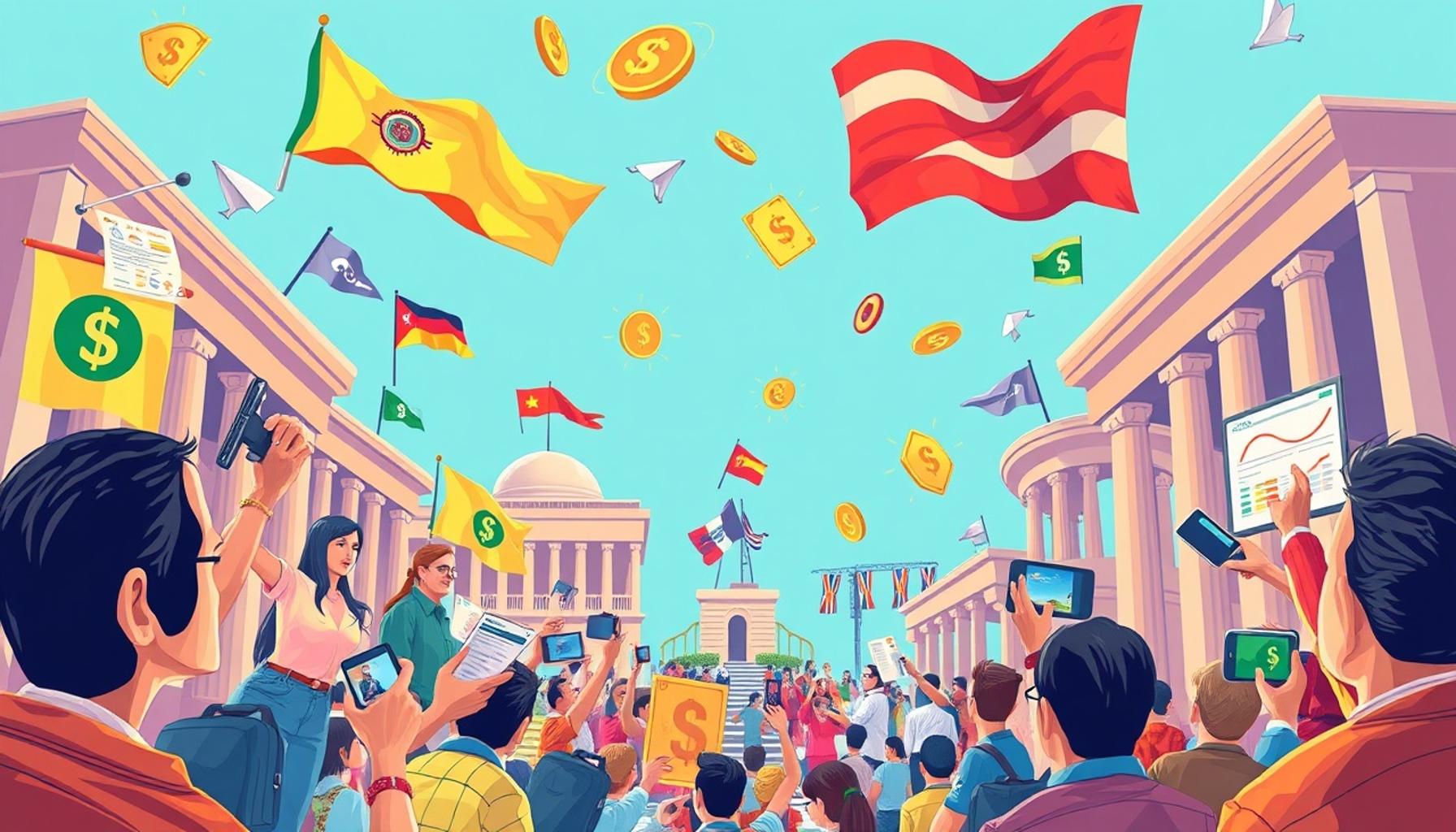
In recent years, social media has transformed the landscape of political mobilization. The 2024 elections are no exception, as platforms like Twitter, Facebook, and Instagram play crucial roles in shaping public discourse and rallying support. Understanding the impact of these digital tools is vital for recognizing how they influence voter engagement.
Key ways in which social media affects political mobilization include:
- Information dissemination: Social media allows candidates and organizations to share messages quickly and broadly. For instance, a tweet can reach thousands of followers within seconds, making it easier for candidates to communicate their policies and appeal to voters. During the 2020 elections, we saw candidates using live videos and quick updates on Twitter to respond to current events in real time, thus keeping their message relevant.
- Community building: Platforms facilitate connections among like-minded individuals, fostering grassroots movements. Groups can form around specific issues such as climate change or healthcare reform, allowing members to organize efforts that contribute to a larger political agenda. For example, social media played a significant role in the growth of movements like Black Lives Matter, as individuals were able to share events, galvanize supporters, and create a sense of community around a shared cause.
- Mobilization efforts: Campaigns leverage social media to organize events and encourage voter turnout effectively. This includes creating Facebook events for rallies, sharing reminder posts about election day, and utilizing targeted ads aimed at persuading potential voters within specific demographics. A notable case was the “How to Vote” campaigns on Instagram, simplifying the registration and voting processes for younger demographics, ultimately translating to higher voter turnout.
Moreover, social media creates a unique space where younger voters can engage with political issues, often leading to increased participation. With a significant portion of this demographic actively using online platforms, the potential for mobilizing support becomes increasingly powerful. According to recent studies, young voters aged 18-24 were more likely to cast their ballots when they were engaged with the political content shared on social media—a trend that campaigns are increasingly trying to capture.
As we delve into the nuances of social media’s role during the 2024 elections, it is essential to examine both its advantages and challenges. While the ability to reach a wide audience is undoubtedly an asset, it also comes with challenges such as the spread of misinformation and the potential for echo chambers, where users only engage with content that reinforces their views. By exploring how these platforms shape political conversations, we can better understand their influence on electoral outcomes and the future of democratic engagement.
LEARN MORE: Click here to find out about the erosion of privacy in IoT devices</
The Advantages of Social Media in Political Mobilization
Social media platforms provide a number of significant advantages when it comes to political mobilization. These tools have fundamentally changed how candidates and organizations interact with voters. Understanding these benefits helps dissect why social media is increasingly essential for successful political campaigns during the 2024 elections.
- Rapid response and adaptability: Social media allows for instantaneous communication, giving candidates the ability to respond quickly to events, controversies, and evolving public sentiments. For instance, a candidate might post a video reaction to recent news developments within hours, enabling them to stay relevant and connected to the electorate. This immediacy can help shape narratives in real-time, making the candidate appear more in tune with the electorate.
- Targeted messaging: One of the most notable features of social media is the capacity to segment audiences based on demographics, interests, and behaviors. This functionality enables campaigns to deliver tailored messages aimed at specific groups. For example, advertisements promoting certain policies may target younger voters who are passionate about climate change, while a different set of advertisements might focus on economic topics for older voters. This strategic targeting increases the likelihood of resonating with voters on a personal level.
- Grassroots fundraising: Social media platforms have also become vital tools for fundraising. In the lead-up to the 2024 elections, we may see campaigns relying heavily on small-dollar donations facilitated through online platforms. Through viral posts or influencer partnerships, campaigns can drive significant contributions from supporters who share a passion for the cause but may not have previous political affiliations. This trend not only helps candidates build crucial financial support but also establishes a sense of ownership among their supporters.
- Voter education: Social media serves as a powerful medium for educating voters about the electoral process. Campaigns can share important information regarding registration deadlines, voting locations, and updated voting laws through engaging content designed to capture attention. For example, infographics or short videos explaining how to vote by mail or early voting procedures can make vital information easily digestible to voters who may otherwise feel overwhelmed by the process.
In addition to these advantages, the ability to create viral content on social platforms means that campaigns can generate buzz and quickly spread messages that resonate. A relatable meme or a compelling video can travel across the internet and reach audiences far beyond the candidate’s immediate followers. This phenomenon can significantly amplify a campaign’s outreach efforts.
However, it is crucial to acknowledge that while social media offers exceptional opportunities for political mobilization, it also presents new challenges. Understanding the dual nature of social media’s impact will be essential for navigating the landscape of the 2024 elections effectively. In the following sections, we will explore the challenges presented by social media in the world of political mobilization, particularly highlighting the risks of misinformation and polarization that can arise in this digital space.
LEARN MORE: Click here to dive deeper
The Challenges of Social Media in Political Mobilization
While social media offers numerous advantages for political mobilization, it also presents significant challenges that can influence the effectiveness of campaigns. Understanding these obstacles is crucial as candidates navigate the complexities of the 2024 elections.
- Misinformation and disinformation: One of the most pressing challenges faced during elections is the spread of misinformation and disinformation on social media platforms. False narratives can easily go viral, exploiting the rapid sharing capabilities of these networks. For instance, during the 2020 elections and subsequent cycles, misleading information about candidates’ policies or false claims about voting processes surfaced and gained traction. This can lead to voter confusion and apathy, undermining the electoral process. Candidates must not only combat these false narratives but also proactively provide accurate information to counteract them.
- Echo chambers and polarization: Social media algorithms tend to create echo chambers, where individuals are only exposed to viewpoints aligned with their own beliefs. This phenomenon can intensify political polarization, as voters become increasingly entrenched in their views. Rather than facilitating productive dialogue, social media may inadvertently foster division among the electorate. For example, a voter who follows only content that reinforces their political beliefs may develop an aversion to differing perspectives, making it challenging to unite a diverse electorate around common goals.
- Cybersecurity threats: With the digital landscape evolving, the risk of cyberattacks poses a formidable threat to political campaigns. Data breaches can compromise sensitive information and lead to strategic vulnerabilities. In this light, ensuring robust cybersecurity measures is essential, particularly for campaigns that heavily rely on social media for mobilization. High-profile hacking incidents in previous elections highlight the ongoing need for vigilance in protecting campaign data and maintaining public trust.
- Regulatory scrutiny: As the impact of social media on elections has gained increased attention, so has regulatory scrutiny. Future legislation could impose greater restrictions on political advertising and campaign funding through social media platforms. Candidates must adapt their strategies to ensure compliance with evolving regulations while still making a strong impact online. Understanding these regulatory dynamics is essential for campaigns navigating the best ways to utilize social media for political mobilization.
The dynamic and sometimes precarious nature of social media is thus a double-edged sword. Campaigns must effectively maximize the tools available to them while simultaneously addressing the inherent risks. By developing proactive strategies against misinformation, fostering inclusive dialogues, and maintaining cybersecurity measures, candidates can mitigate some of these challenges and build a more resilient online presence. As the Internet continues to shape political culture, it will be crucial for campaigns to adapt and respond to the evolving landscape during the 2024 elections.
LEARN MORE: Click here to learn how to get free clothes from Shein
Conclusion
In conclusion, the impact of social media on political mobilization during the 2024 elections cannot be overstated. As we have seen, social media platforms serve as powerful tools for candidates to engage with voters, mobilize supporters, and disseminate key messages quickly. However, the challenges presented—such as misinformation, political polarization, and cybersecurity threats—must not be overlooked. In this context, candidates who navigate these hurdles with strategic foresight will have a distinct advantage.
Moreover, while social media has transformed how campaigns operate, it is essential for candidates to embrace transparency and authenticity in their communications. Engaging in open dialogues with voters and showcasing genuine interactions can help overcome the barriers of misinformation and polarization, fostering a more informed and unified electorate. As regulatory attention increases, campaigns must also be proactive in adhering to new guidelines while exploiting the opportunities that social media offers.
Ultimately, the 2024 elections will serve as a litmus test for how effectively candidates can harness the potential of social media while mitigating its inherent risks. As consumers of content, voters must also take an active role in discerning credible information from misleading narratives. By doing so, they can contribute to a healthier democratic process that reflects a truly engaged citizenry. In the rapidly evolving landscape of political mobilization, the need for adaptability and vigilance is paramount, and this will certainly shape the course of the upcoming elections.

Linda Carter
Linda Carter is a writer and expert known for producing clear, engaging, and easy-to-understand content. With solid experience guiding people in achieving their goals, she shares valuable insights and practical guidance. Her mission is to support readers in making informed choices and achieving significant progress.