The Future of Immersive Experiences with IoT Integration in Events
Transforming Event Experiences with Technology
Imagine walking into an event where every element is tailored specifically to your preferences, thanks to the Internet of Things (IoT). This technology is revolutionizing how we experience events, making them more engaging and personalized than ever before. IoT integrates various smart devices and interconnected environments to create seamless and interactive experiences. Here’s how IoT is shaping the future of immersive events.
- Seamless Interactions: The integration of IoT allows attendees to connect with various devices using their smartphones. For instance, attendees at a trade show can sync their devices with smart kiosks, enabling them to access event schedules, speaker information, and even personalized content based on their interests. Using QR codes or Bluetooth technology, participants can effortlessly engage with interactive installations, making the event experience more dynamic.
- Personalized Experiences: Events can leverage IoT data to create tailored experiences for attendees. By collecting information such as attendee preferences and behavior through registration forms or mobile app usage, organizers can provide personalized recommendations. For example, if an attendee shows interest in specific workshops or products, they can receive notifications about related sessions or exclusive offers, enhancing their overall engagement.
- Real-Time Analytics: One of the most significant advantages of IoT integration is the access to real-time analytics. Organizers can monitor live data on attendee engagement, session popularity, and even waiting times for activities. For example, if a particular workshop is attracting a large audience, organizers can swiftly allocate additional resources or modify the setup to enhance the experience. This ability to adapt on-the-fly is crucial to keeping attendees satisfied.
This integration of IoT in events opens up exciting possibilities that enrich engagements and interactions on multiple levels. By utilizing interconnected devices, we can create environments that respond dynamically to the needs and desires of participants. Imagine attending a concert where the lighting and ambiance adjust according to the music’s tempo, ensuring a captivating experience.
As we look to the future, the question isn’t just how IoT will change events, but how it will redefine our entire approach to event planning and attendee engagement. The possibilities are endless. Consider the emergence of smart badges embedded with RFID technology, allowing event staff to track attendee flow and preferences while maintaining privacy. This data can be invaluable for future event planning, helping organizers refine strategies and improve experiences.
Ultimately, as IoT continues to evolve, its role in events will likely expand even further, pushing the boundaries of what’s possible. Embracing this technology has the potential to make events not only more enjoyable but also more meaningful, transforming ordinary gatherings into memorable experiences.
DON’T MISS OUT: Click here to learn about the rise of short videos
Enhancing Connectivity and Engagement
At the core of immersive event experiences powered by IoT is the concept of connectivity. As traditional event formats evolve, the incorporation of IoT technology fosters a more interconnected environment that promotes attendee engagement like never before. Through smart devices, event organizers can create a network of interactions that enhances the overall experience, offering attendees something truly unique.
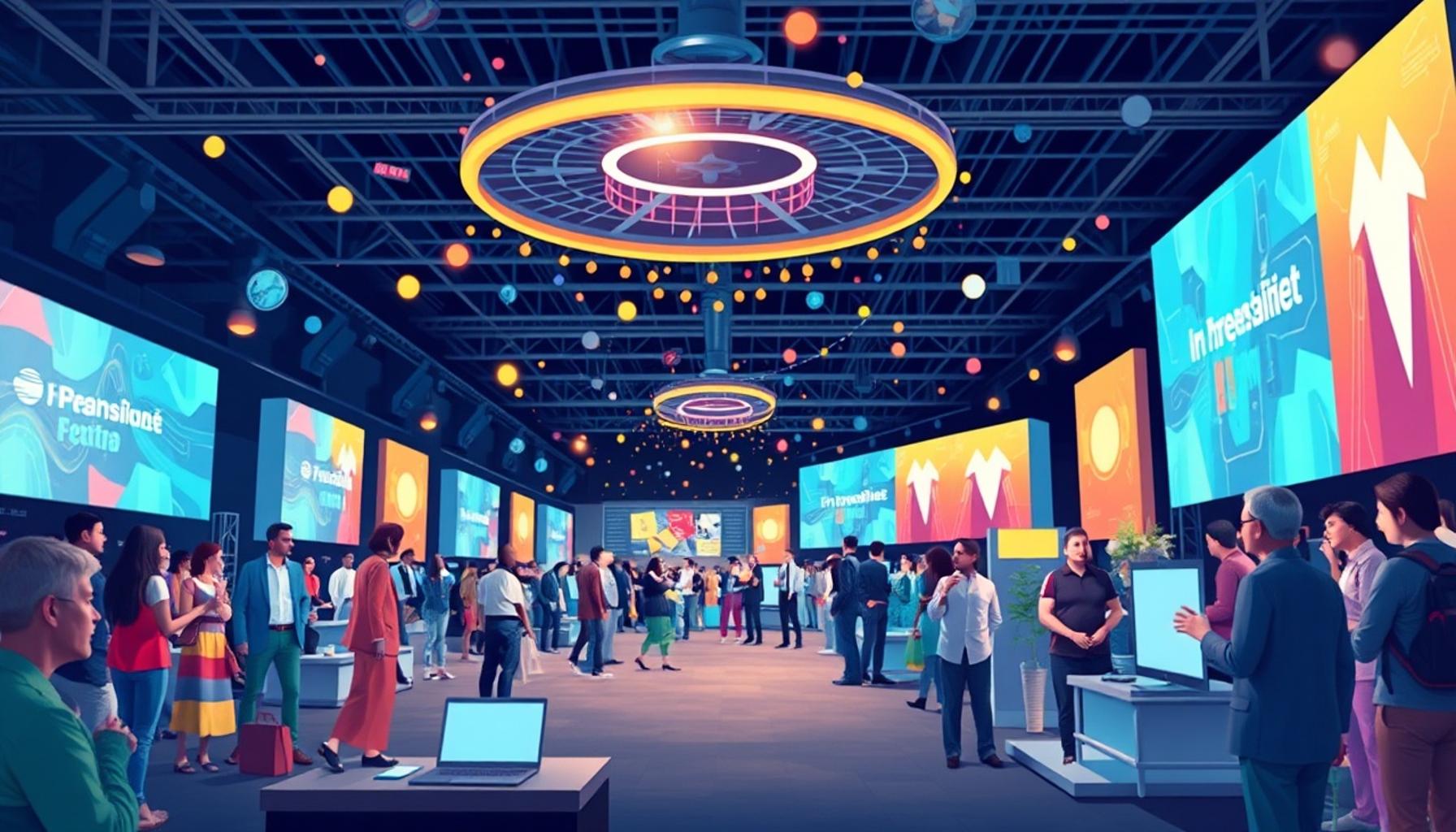
One of the key benefits of IoT integration is its capacity to create interactive environments. When participants enter a conference hall or exhibition space, the ambient conditions can be customized to match the theme of the event. For instance, in a tech-driven expo, smart projectors could display interactive visuals on walls, engaging attendees visually while they navigate different stations. This creates not only an engaging atmosphere but also an opportunity for attendees to explore content that aligns with their interests.
- Real-Time Feedback: IoT devices can facilitate instant polls or surveys through attendees’ smartphones. This real-time feedback enables organizers to adjust speakers, topics, or even the schedule based on the audience’s responses. For example, if a presenter notices that a particular topic resonates with the audience, they can choose to dive deeper or encourage more questions, fostering a more dynamic discussion.
- Location-Based Services: Another aspect of IoT in events includes the use of GPS-enabled applications, allowing event-goers to receive location-specific notifications. This could range from reminders about upcoming sessions to suggestions for networking opportunities with other attendees nearby. Such targeted engagement transforms an ordinary experience into a more personalized journey that encourages exploration and interaction.
- Data-Driven Decision Making: By analyzing data collected from smart devices, event planners can gather insights that are instrumental for future events. For example, tracking how long attendees spend at specific booths can inform exhibitors about what interests their audience the most. These insights lead to more effective marketing strategies and enhanced content for subsequent events.
Moreover, the incorporation of technologies such as augmented reality (AR) and virtual reality (VR) into IoT frameworks can further elevate the experiential aspect of events. Imagine using AR glasses to visualize product specifications or historical data while interacting with a display, making learning more engaging and intuitive. This blend of imaginative technology with IoT connectivity not only brings exhibits to life but also enriches the cultural or informative aspects of the event.
As we progress into the future, leveraging IoT will be crucial for maximizing attendee satisfaction and comfort. Events that embrace this technology will likely see improved participation rates and higher levels of audience engagement, fostering networks and interactions that could not have been achieved through traditional means. As such, understanding how to harness the power of IoT will be a pivotal factor for organizers aiming to create unforgettable experiences. With this in mind, we can rightly anticipate a future where events are no longer just gatherings, but rather immersive experiences that resonate long after participants leave the venue.
DISCOVER MORE: Click here to dive deeper
Transforming Content Delivery and Personalization
As the landscape of events continues to evolve, content delivery and personalization stand out as crucial elements that are being fundamentally transformed by IoT integration. The emerging technologies are facilitating a more tailored experience for attendees, ensuring that every individual leaves with memories and connections that resonate strongly with their interests and needs.
For instance, smart badges equipped with RFID technology can track attendee movements throughout an event. This tracking enables organizers to gain insights into which sessions or exhibits garner the most interest. Based on this data, they can offer personalized schedules and content recommendations via an app directly to attendees’ smartphones. Imagine arriving at a conference and receiving a notification that suggests specific panel discussions or networking opportunities based on your past interests and interactions—this is personalization taken to the next level.
Moreover, machine learning algorithms can analyze participant data to create personalized agendas automatically. By observing behaviors from previous events, these systems can recommend workshops, breakout sessions, or even post-event follow-ups that align with attendees’ professional goals or personal hobbies. For example, if someone frequently attends sessions on digital marketing, the system could prioritize similar content during a future event. This use of tailored content not only enhances the experience for participants but also increases the value for organizers who can be certain that their offerings meet the needs of their audience.
- Seamless Registration and Access: IoT technology simplifies the registration process by employing facial recognition or mobile wallets to streamline check-in. Instead of waiting in long lines, attendees can quickly enter the venue, allowing them to start their experience without delay. With dedicated mobile applications in their hands, they can also access event details, speaker bios, and session locations while on the go, all tailored specifically for them.
- Social Media Integration: Connecting IoT experiences with social media profiles can create a dynamic platform for real-time interactions. An example could be encouraging attendees to share their experiences on social media using specific event hashtags that automatically feed content into screens around the venue. This connectivity not only engages attendees but also amplifies visibility for the event itself, extending its reach far beyond the walls of the venue.
- Post-Event Engagement: After the event concludes, IoT continues to play a role in maintaining attendee engagement. Personalized follow-up emails containing curated content, session recordings, or additional resources can be tailored based on interests identified throughout the event. By nurturing this relationship, organizers can foster a long-lasting connection with participants and cultivate loyalty for future events.
The combination of IoT and immersive experiences fosters not just a momentary engagement but a journey that starts well before the event and continues afterward. This predictive approach helps elevate the overall experience and boosts participant satisfaction, thereby shaping a more loyal attendee base over time. As technology continues to advance, embracing these innovations will transform not just how events operate, but also how they are perceived in terms of value and relevance in an increasingly digital world.
Incorporating IoT into events isn’t merely an enhancement; it’s a fundamental shift that nurtures stronger relationships among attendees, exhibitors, and organizers. Moving forward, those who wield this technology effectively will pave the way for immersive experiences that enrich every interaction and create lasting memories.
DON’T MISS: Click here to dive deeper
Looking Ahead: The Promise of IoT-Enhanced Events
In conclusion, the integration of IoT technology into the realm of events signifies a transformative leap forward, paving the way for immersive experiences that are not only engaging but also deeply personalized. As we move into the future, event organizers and attendees can look forward to a landscape where data-driven insights create a more meaningful connection between participants and the content presented.
The potential for seamless interactions through smart registration processes and real-time content delivery allows attendees to immerse themselves fully in their experiences without unnecessary distractions. This is not merely a bonus; it is becoming a necessity in a world that demands efficiency and personalization. By harnessing the power of IoT, organizations can better understand attendee preferences and enhance engagement during and after events.
As immersive technologies continue to evolve, embracing these advancements will be crucial for those in the event industry. They have the chance to redefine what events can offer, transforming them into platforms for connection, learning, and growth. Moreover, the focus on maintaining engagement post-event amplifies the overall value proposition, ensuring attendees feel valued even after the curtain falls.
Ultimately, those who effectively implement IoT and leverage data will foster a new era of events characterized by innovation, interaction, and lasting impact. The journey to this future is just beginning, and it promises to reshape not only how we experience events but also how we build communities around shared interests and knowledge.

Linda Carter
Linda Carter is a writer and expert known for producing clear, engaging, and easy-to-understand content. With solid experience guiding people in achieving their goals, she shares valuable insights and practical guidance. Her mission is to support readers in making informed choices and achieving significant progress.