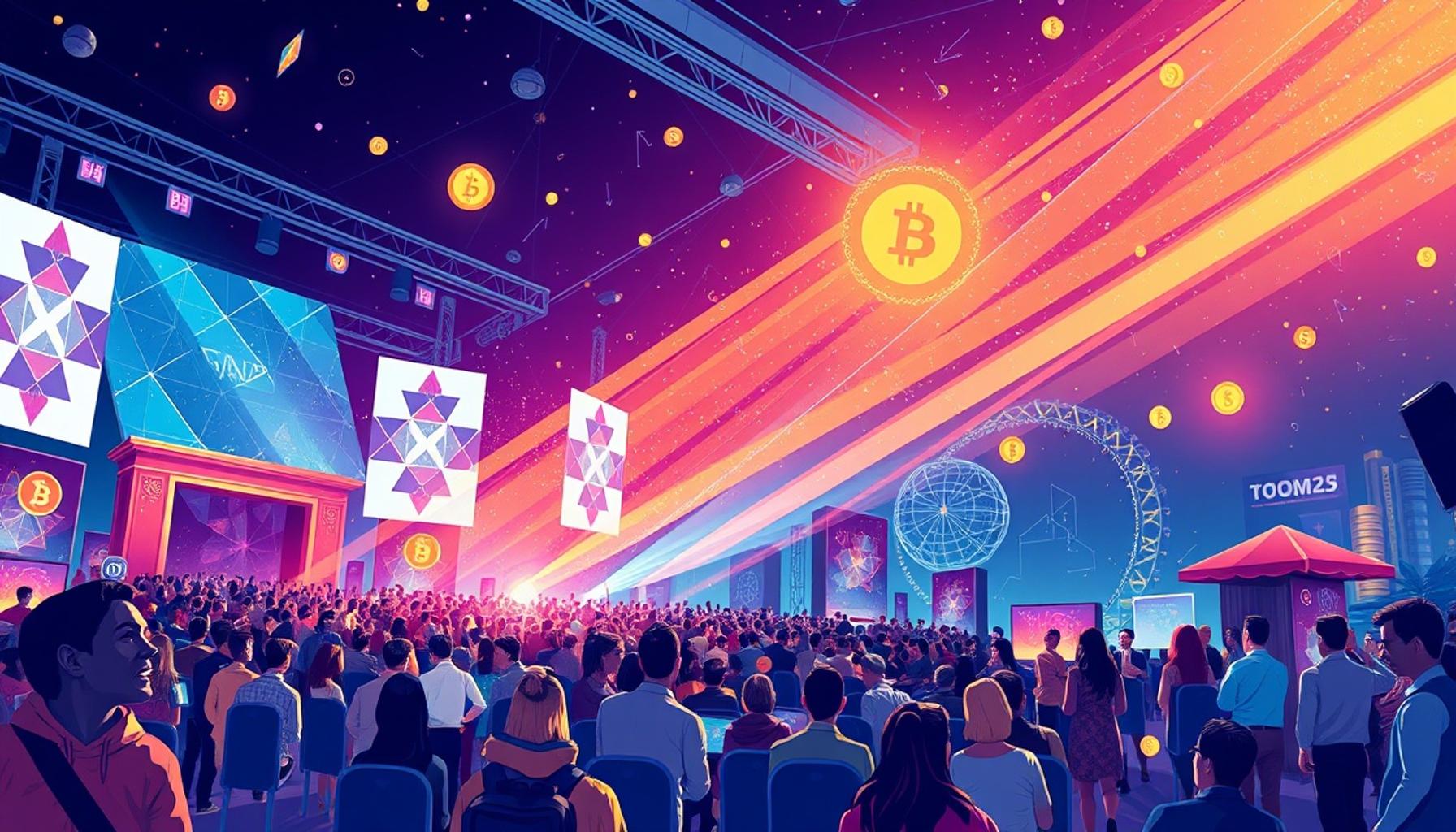
How the Metaverse Is Transforming Participation in Virtual Conferences and Trade Shows

Transforming Virtual Conferences and Trade Shows
The advent of the Metaverse has sparked a profound transformation in how we connect and engage, particularly in the domain of virtual conferences and trade shows. This immersive digital landscape has not only broadened access to events but also enriched the overall attendee experience, allowing individuals from all corners of the globe to participate without the barriers of travel, time, or location.
Enhanced Access and Engagement
One of the hallmark features of Metaverse-enabled events is the creation of immersive experiences. Unlike standard video calls or webinars, attendees can explore virtual spaces that simulate real-world environments. For example, in a virtual trade show, participants can wander through a digital convention center filled with booths, walk up to representatives, and even pick up virtual samples, providing a tactile element that traditional formats lack.
Moreover, the Metaverse fosters robust networking opportunities, allowing attendees to connect in real time. Participants can interact with peers, industry leaders, and even potential business partners through various communication tools embedded within the platform. For instance, using avatars, they can engage in conversations, exchange digital business cards, and join spontaneous discussions—creating a more organic and engaging networking atmosphere compared to the stiff interactions often found at in-person events.
Interactive Learning and Feedback
The inclusion of interactive sessions is another significant benefit. Organizers can host virtual panels and workshops that actively engage the audience. Features like live polls enable participants to express their opinions in real time, while Q&A sessions encourage dialogue between experts and attendees. By incorporating breakout discussions, groups can delve deeper into topics of interest, making the learning experience more personalized and impactful.
Benefits for Exhibitors and Sponsors
The Metaverse also revolutionizes how exhibitors and sponsors present themselves at events. They can create engaging booths that utilize 3D visualizations, animations, and interactive elements to showcase their products or services. For instance, a tech company could use augmented reality to demonstrate how a new gadget works in a simulated environment, capturing the attention of potential customers far more effectively than a two-dimensional advertisement.
Furthermore, the ability to analyze attendee data in real time is a game changer for marketers. Advanced analytics help exhibitors track engagement levels by measuring how many times visitors click on their booth or interact with their content. This data can inform future marketing strategies, helping companies refine their offerings to better meet the needs and preferences of their audiences.
Conclusion
As we navigate the evolving landscape of the Metaverse, it is essential for both event organizers and attendees to recognize the transformative implications of these advancements. The shift towards more engaging, interactive, and accessible conferences and trade shows signals a new era of digital interaction that not only enhances connectivity but also fosters greater innovation and collaboration. By embracing these opportunities, participants can look forward to richer experiences and meaningful connections in their professional journeys.
LEARN MORE: Click here for insights on phishing attacks
Revolutionizing Attendee Interaction
As the Metaverse continues to evolve, it is reshaping the way attendees interact with events and each other. Traditional virtual conferences often rely on static presentations and limited interaction, but the Metaverse introduces dynamic elements that make participation more engaging. For instance, instead of merely watching a speaker on a screen, attendees can join a virtual amphitheater where they can see and hear the speaker from different angles, creating a sense of presence akin to being in a physical room.
Immersive Environments and Personalization
The Metaverse allows for the creation of customized environments that reflect the theme and tone of the event. Organizers can design unique settings ranging from futuristic cityscapes to serene natural landscapes, which not only enhance the aesthetic experience but also help in setting the mood for different sessions. Attendees can choose their avatars and tailor their experience by navigating these spaces in a way that best fits their interests.
Personalization extends to the content itself as well. Participants can select sessions that align with their professional interests, creating an experience that feels relevant and tailored to their needs. For example, an attendee interested in artificial intelligence can prioritize workshops that dive deep into the latest innovations in that field, thereby maximizing the value of their time spent in the Metaverse.
Seamless Accessibility for All
Accessibility is a significant advantage of Metaverse events. They can cater to a wider audience who may have previously faced barriers due to distance or physical limitations. For instance, individuals with disabilities can participate without the challenges that often arise in a traditional conference setting. The inclusion of features like closed captioning, customizable avatar designs, and virtual assistive technologies makes it easier for everyone to engage fully in the event.
Additionally, the Metaverse allows for cross-time zone participation, meaning attendees from different regions can join sessions at their convenience, rather than adhering to a strict schedule. This flexibility encourages attendance and engagement, which is particularly beneficial for global companies looking to connect with diverse audiences. The result is a melting pot of ideas and networking opportunities that wouldn’t be possible in physical events.
List of Key Features Enhancing Participation
- Interactive Workshops: Engaging panel discussions and hands-on workshops that encourage audience participation.
- Real-time Networking: Opportunities to connect and engage with peers through avatars.
- Customizable Avatars: Attendees can create personalized avatars to express their identity in the virtual space.
- Unique Event Environments: Themed virtual settings that enhance the overall experience and immersion.
- Accessible Features: Tools designed to accommodate participants with disabilities, ensuring inclusivity.
As we delve deeper into the Metaverse’s role in transforming virtual conferences and trade shows, it becomes evident that this digital ecosystem is not just a superficial change; it represents a fundamental shift in how we perceive participation and engagement in these events. By harnessing these capabilities, the Metaverse invites attendees to step into an enriched world of interaction, learning, and networking.
DIVE DEEPER: Click here to learn more
Elevating Sponsorship and Brand Engagement
Another critical element of the Metaverse’s impact on virtual conferences and trade shows is its ability to elevate sponsorship and brand engagement. In traditional events, sponsors often rely solely on physical booth spaces to showcase their products and services, which can limit their creativity in engagement strategies. However, the immersive capabilities of the Metaverse allow brands to create interactive experiences that captivate attendees in unprecedented ways.
Creative Sponsorship Opportunities
For example, a sponsor could develop a virtual reality experience where attendees can explore a 3D model of their latest product. Instead of reading about features, participants can interact with the product by selecting options that showcase its capabilities in a more hands-on manner. This levels up the interaction and fosters a deeper understanding of what the brand has to offer. Furthermore, gamification elements can be introduced, where participants earn rewards or incentives for interacting with the sponsor’s virtual space or completing specific tasks related to the product.
Additionally, the Metaverse provides brands with the opportunity to create an integrated storytelling experience. Sponsors can craft narratives that engage users in a multi-sensory manner, blending visuals, sounds, and interactivity. A beverage company, for instance, might create an immersive journey through its sourcing process, allowing attendees to experience the journey of the product from farm to table. This enhances brand loyalty and fosters a personal connection between the participant and the company.
Enhanced Measurement and Analytics
Beyond engagement, the Metaverse also offers sponsors and organizers advanced measurement and analytics capabilities. In traditional events, gathering data on attendee interactions can be cumbersome. However, in a virtual environment, data can be tracked in real-time, providing insights into which sessions, booths, or activities attracted the most attention. Sponsors can leverage this information to assess their return on investment and better tailor their marketing strategies for future events.
Analytics can include metrics such as dwell time at a virtual booth, the number of interactions with specific content, and even participant feedback collected through surveys. This data can help sponsors refine their approaches and improve the overall experience for future conferences or trade shows.
Creating Community and Fostering Conversations
The Metaverse encourages the building of communities around shared interests, which can enhance attendee engagement even further. By allowing for discussions in a relaxed, virtual ambiance, participants can gather in lounges, breakout spaces, or informal meeting areas where they can share ideas and network organically. This is particularly valuable for niche industries that may not have large audiences in a traditional format.
For instance, a small tech start-up participating in a conference could host an informal meet-and-greet within the Metaverse, inviting attendees to join a conversation about upcoming trends in their field. This fosters a sense of community and allows for more personal and meaningful connections, which can lead to collaborations and business opportunities.
In many ways, the Metaverse serves as a catalyst for new engagement strategies that push brands to think outside the box. By leveraging interactive experiences, advanced analytics, and community-building opportunities, virtual conferences and trade shows can evolve into something truly transformative, maximizing value for both attendees and sponsors alike.
LEARN MORE: Click here for essential insights
Conclusion
In summary, the Metaverse is fundamentally changing how participants engage in virtual conferences and trade shows, creating a vibrant ecosystem that blends advanced technology with authentic human interaction. The concept of immersive experiences is at the forefront of this transformation. Attendees can find themselves in fully realized virtual spaces where they can explore content, attend workshops, and access interactive displays, which not only increases learning but also enhances information retention. For example, a tech company might showcase its innovative products in a 3D environment, allowing participants to interact with them as if they were physically present, thereby breaking the traditional passive experience of merely watching a presentation or video.
For sponsors, the opportunities provided by the Metaverse are extensive and exciting. Rather than being limited to static booth displays, brands can design interactive storytelling experiences that engage attendees on a deeper level. Imagine a virtual reality scenario where a visitor to a digital conference can step inside a branded environment that tells the story of a product’s journey, from creation to market. This level of engagement is further enhanced by the use of real-time analytics that allows companies to understand attendee behavior and preferences during the event. As a result, brands can finely tune their messaging and outreach strategies to resonate more profoundly with their audience.
Looking ahead, it is vital for organizations to embrace these transformative capabilities of the Metaverse. As virtual events evolve, companies that fully leverage this technology will be better positioned to foster meaningful connections with their audience. By adopting innovative practices that maintain an interactive and community-oriented atmosphere, both attendees and sponsors will benefit from a richer, more engaging environment. The Metaverse has the potential to not only shape the future of trade shows and conferences but also redefine engagement, paving the way for a collaborative and integrated approach to sharing ideas and networking.

Linda Carter
Linda Carter is a writer and expert known for producing clear, engaging, and easy-to-understand content. With solid experience guiding people in achieving their goals, she shares valuable insights and practical guidance. Her mission is to support readers in making informed choices and achieving significant progress.