
How 5G Is Revolutionizing Live Event Broadcasting
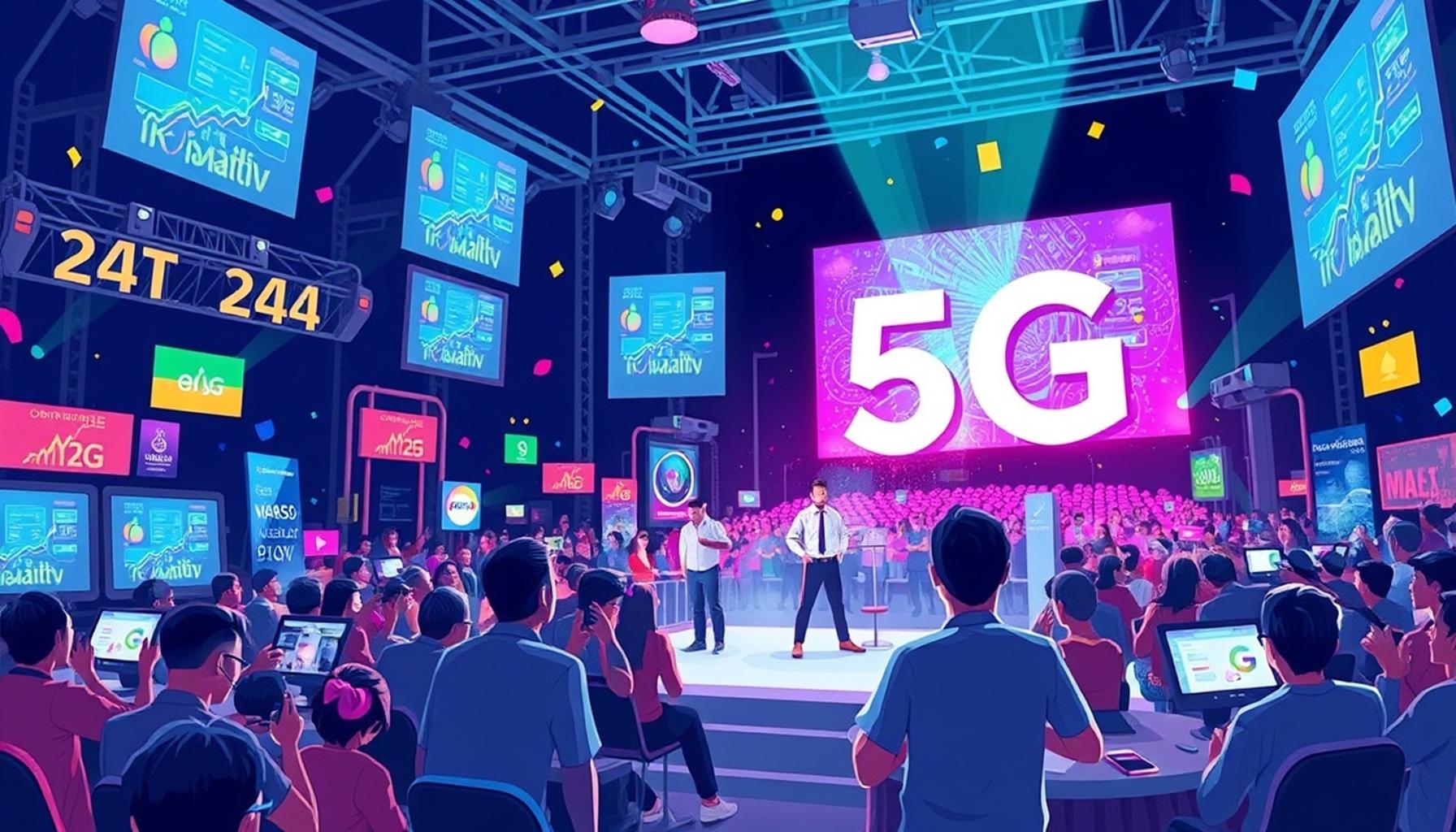
The Impact of 5G Technology on Live Event Broadcasting
The landscape of live event broadcasting is undergoing a remarkable transformation, driven by the capabilities of 5G technology. By harnessing the power of incredible speed and low latency, 5G is reshaping the way audiences around the world engage with events such as sports games, concerts, and festivals. This revolutionary technology provides a multitude of benefits that enhance the overall viewing experience, making it more immersive and interactive.
One of the standout features of 5G is its increased speed. With download and upload speeds that can exceed 1Gbps, 5G technology allows broadcasters to transmit high-definition video content seamlessly. Imagine watching your favorite team play an important match live from a stadium that is packed with fans. Thanks to 5G, you could stream the game in 4K or even 8K resolution right from your seat, providing a crystal-clear view that rivals being front row at the event.
Another critical advantage is low latency. Traditional broadcasting technologies often suffer from delays, which can lead to lag in real-time interactions. With 5G, these delays are reduced to mere milliseconds. This means that whether you are participating in a live poll during a TV show or commenting on a sporting event as it unfolds, your inputs engage immediately, thereby creating a more interactive experience.
The advancement in video quality cannot be overstated either. Not only does 5G allow for higher resolutions like 4K and 8K, but it also enables fuller, richer visual experiences through enhanced color and detail. For filmmakers and live event producers, this means they can showcase breathtaking details and vibrant colors that captivate audiences, making events more enjoyable and memorable.
Moreover, the advent of 5G brings about expanded connectivity. Unlike previous generations that faced significant challenges when multiple devices tried to connect at once, 5G can support thousands of devices simultaneously without affecting performance. This characteristic is particularly crucial during large events where many attendees might be streaming, posting, or sharing content from the venue all at once.
Lastly, 5G opens the door for innovative experiences, particularly in augmented reality (AR) and virtual reality (VR). Imagine being able to wear AR glasses at a concert that overlay digital experiences onto the live show, providing you with unique animations, multitudes of views, or interactive elements that heighten your engagement. This kind of immersive technology, powered by the fast and reliable connectivity of 5G, is poised to change the way we perceive live events significantly.
In conclusion, the impact of 5G on live broadcasting extends far beyond technological upgrades. It fosters new creative opportunities, strengthens partnerships within the broadcasting industry, and democratizes access to entertainment for audiences across the globe, enabling people to experience events like never before. Consequently, whether you’re at home or on-site, the evolution sparked by 5G technology is revolutionizing how we connect with our favorite events and share those experiences with others.
DIVE DEEPER: Click here to uncover the impact of 5G technologies
The Advantages of 5G in Live Event Broadcasting
As we venture deeper into the age of 5G technology, its advantages are becoming increasingly clear, particularly in the realm of live event broadcasting. To better understand how 5G is making waves in this field, let’s delve into some specific benefits that are reshaping the viewer’s experience and transforming the capabilities of event producers.
Unmatched Streaming Quality
The ability to stream high-quality content without interruptions is a cornerstone of modern broadcasting. With a traditional 4G network, viewers often encounter issues such as buffering and pixelation, which can detract from the overall experience. However, 5G technology addresses these concerns with its exceptional speed and bandwidth, allowing for seamless transmission of high-definition and ultra-high-definition video.
- 4K and 8K Streaming: Viewers can enjoy stunning videos with rich detail, making them feel as if they are right in the thick of the action.
- Multi-camera Angles: 5G allows broadcasters to provide viewers with multiple camera angles, enhancing engagement and personalization of the viewing experience.
Real-Time Engagement
In today’s media landscape, interactivity is key. Thanks to the low latency of 5G, viewers can participate in real-time interactions without the frustrating delays common with older technologies. For example, during a live sports game, fans could vote on their “player of the game” or engage in instant polls while the action unfolds. This immediate feedback loop facilitates greater audience involvement and creates a sense of community among viewers.
Enhanced Accessibility
A significant advantage of 5G is its ability to broaden access to live events. Traditionally, large gatherings such as concerts or sporting events could overwhelm network capacity, resulting in poor connectivity for attendees who wish to share their experiences through social media or live streams. With 5G, an event can successfully accommodate thousands of devices without sacrificing performance. This expanded connectivity means:
- Improved Social Sharing: Attendees can share high-quality content instantly, keeping their social media feeds flowing with engaging posts directly from the event.
- Accessible Event Coverage: For those unable to attend, 5G ensures that live broadcasts remain clear and responsive, allowing more individuals to enjoy events from home.
Innovative Technology Integration
The potential of 5G doesn’t stop at speed and connectivity. This technology opens doors to innovative experiences via augmented reality (AR) and virtual reality (VR) applications. Imagine attending a music festival where, through AR glasses, you can experience visual enhancements or interactive elements that bring the event to life in new ways. With 5G’s quick data transfer capabilities, these experiences become not only possible but also practical at large events.
As we explore the future of live event broadcasting, it is clear that the capabilities offered by 5G technology are setting new standards for engagement, quality, and accessibility. By embracing these advancements, broadcasters can fill the gaps that have long existed, creating richer, more immersive experiences that capture the excitement and energy of live events. The influence of 5G technology on broadcasting is just beginning to unfold, but its impact on how audiences consume content will undoubtedly be profound.
LEARN MORE: Click here for tips on safeguarding your digital identity
Transforming Audience Experience and Content Delivery
The revolution of live event broadcasting through 5G is not solely limited to the technical capabilities of streaming. It profoundly impacts audience experience and the approaches broadcasters can take in delivering content. Let’s examine how this technological advancement transforms these areas.
Personalized Content Delivery
As viewers increasingly crave customized content, 5G technology enables broadcasters to offer tailored experiences based on individual preferences. By leveraging data analytics and AI, broadcasters can analyze viewer behavior and deliver specific content, advertisements, or angles that resonate with each unique audience member. For instance, music festivals can offer personalized playlists, behind-the-scenes access, or exclusive interviews with artists based on a viewer’s previous engagements.
- Dynamic Programming: Broadcasters can create content streams focused on niche interests, allowing fans to enjoy the event from their preferred perspective, whether it’s a specific performer or a certain sport angle.
- Adaptive Streaming: By adapting the streaming quality based on the viewer’s available internet speed, 5G ensures that users receive an optimal viewing experience regardless of their location.
Stronger Broadcast Capabilities
5G is not only enriching the viewing experience for audiences but is also empowering broadcasters with enhanced tools to produce live content more effectively. The lower latency and increased bandwidth enable the use of advanced broadcasting equipment, fostering creativity and innovation in event production.
- Remote Production: With 5G, broadcasters can operate cameras and recording equipment remotely from a central location, reducing the need for extensive physical setups at event sites. This shift can lead to more cost-effective operations.
- Higher Density Connections: 5G networks can support a high number of simultaneous connections, permitting multiple broadcasters to operate within the same venue without experiencing signal interference or degradation in quality.
Engaging Fan Experiences through Interactive Features
Another key area in which 5G revolutionizes live event broadcasting is through the introduction of interactive features that transform traditional passive viewing into an immersive experience. Fans are no longer just spectators; they become integral participants in the action.
- Interactive Live Polls and Quizzes: During events, viewers can engage in live polls or quizzes, enabling them to test their knowledge and interact with other fans, creating a more engaging environment that encourages community participation.
- Virtual Meet and Greets: Using virtual reality powered by 5G, fans may connect with their favorite artists or athletes in real-time, enhancing the overall experience and creating lasting memories.
Global Reach and Localization
5G technology significantly enhances the potential for global broadcasting, allowing events to transcend geographical boundaries. For instance, an event in New York can be watched in real-time by audiences across the globe without the traditional delays or dips in service quality. This global reach makes it feasible for audiences outside the venue to participate fully in live events.
- Localized Content Options: Content can be localized according to the viewer’s region, such as commentary in different languages or culturally-specific tidbits that make the stream relatable and enriching.
- Supporting Diverse Time Zones: Live broadcasts can be customized to cater to various time zones, allowing more people to engage at peak times that suit their schedules.
As 5G technology continues to evolve, its influence on live event broadcasting becomes more apparent, providing innovative tools and methods to not only streamline the broadcasting process but also enhance viewer engagement and satisfaction.
DIVE DEEPER: Click here to learn more about blockchain’s impact on security
Conclusion
The advent of 5G technology is undeniably reshaping the landscape of live event broadcasting, ushering in an era characterized by unparalleled viewing experiences and innovative engagement strategies. By enabling personalized content delivery, broadcasters can cater to individual preferences, providing tailored experiences that resonate with audiences on a deeper level. This level of customization not only enhances viewer satisfaction but also encourages greater interaction and participation.
Furthermore, the enhanced broadcast capabilities afforded by 5G are empowering producers to explore new creative frontiers. The ability to operate equipment remotely and support numerous and simultaneous connections at major events not only lowers production costs but also fosters a more dynamic production environment. The introduction of interactive features, such as real-time polls and virtual meet-and-greet opportunities, transforms passive viewership into immersive participation, strengthening the connection between fans and their favorite events.
Finally, the global reach and localization capabilities offered by 5G ensure that audiences around the world can engage in live events without barriers. By customizing broadcasts to accommodate different languages and time zones, events can be made more accessible, breaking down geographical constraints and creating a unified, worldwide fan experience.
As we move forward, it is essential for broadcasters, event organizers, and technology providers to collaborate and innovate continually. The potential of 5G in live event broadcasting is just beginning to be realized, and its full impact could redefine how we experience entertainment and sports in the years to come.

Linda Carter
Linda Carter is a writer and expert known for producing clear, engaging, and easy-to-understand content. With solid experience guiding people in achieving their goals, she shares valuable insights and practical guidance. Her mission is to support readers in making informed choices and achieving significant progress.