The Influence of Influencers on Social Media on Consumer Purchases in the Philippines

The Evolution of Marketing Through Influencers
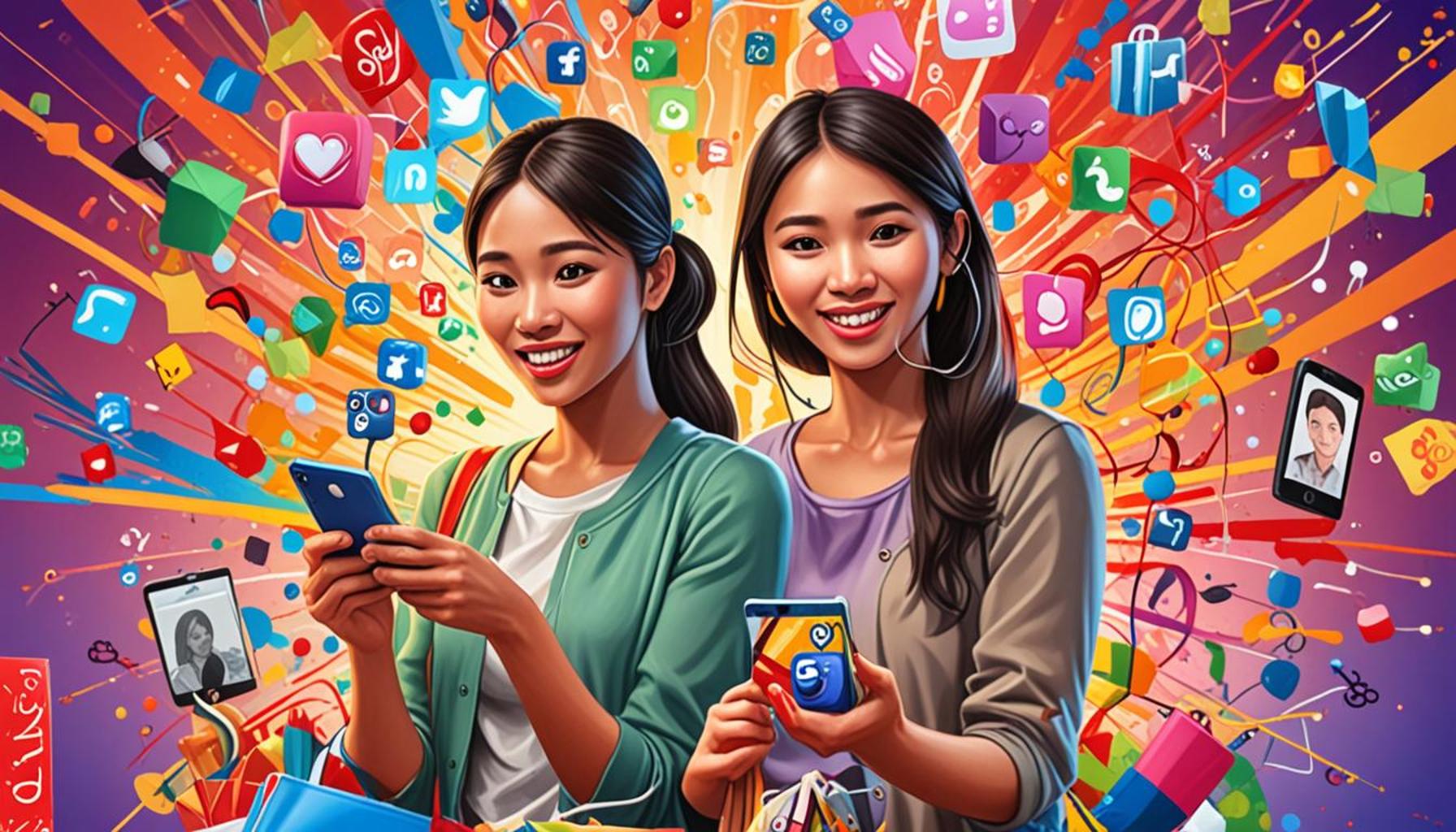
The surge of social media influencers has led to a profound shift in how brands engage with consumers in the Philippines. The digitally-savvy population frequently turns to social media platforms such as Facebook, Instagram, and TikTok, where influencers have amassed substantial followings. This dynamic interplay between influencers and consumers has created a new avenue for marketing strategies, one that is increasingly vital for businesses aiming to succeed in a competitive marketplace.
One of the foremost elements in this transformation is trust and authenticity. Influencers often share snippets of their personal lives, allowing followers to feel a relatability that traditional advertising lacks. This personal connection fosters an environment where recommendations from influencers are seen as genuine advice, rather than mere promotional content. For instance, Filipino beauty bloggers or lifestyle vloggers often review local brands or products, creating a buzz that can significantly influence purchasing decisions. Take Nika Bautista, a well-known figure in the beauty community, who has reshaped how many Filipinos perceive and choose beauty products through her honest and engaging content.
Moreover, the engagement generated by influencer content is remarkable. Posts made by influencers generate interactions that far exceed those typical of traditional marketing channels. They create communities around shared interests, making it easier for brands to tap into engaged audiences. A perfect example is food influencers traveling the streets of Manila and showcasing hidden gems like local eateries or innovative food stalls. These posts often lead to viral trends or challenges that amplify awareness and interest in the brands featured.
Additionally, targeted reach allows brands to effectively zero in on specific demographics. Influencers typically focus on niche markets, which range from fitness enthusiasts to travel aficionados. This specialization means that when a fitness influencer promotes a health supplement, the audience is likely already interested in that segment, increasing the likelihood of conversion. Brands can thus allocate their marketing resources more efficiently, ensuring that their message resonates with the right people.
As the digital landscape continues to evolve, brands in the Philippines are realizing the importance of integrating influencer partnerships into their marketing strategies. These partnerships not only create significant buzz around products but also help shape consumer perceptions and buying behavior. For both businesses and consumers, understanding the influence of influencers on spending habits is becoming increasingly critical. As we delve deeper into this subject, the implications are clear: the impact of social media influencers will keep rising, profoundly affecting purchasing decisions throughout the archipelago.
RECOMMENDED: Check out this similar article
Understanding the Impact of Influencers on Consumer Behavior
The rise of social media influencers has revolutionized consumer behavior in the Philippines, bringing forth a unique blend of modern marketing strategies that resonate well with local audiences. With over 81 million active social media users in the country, the potential for influencers to drive consumer purchases is substantial and ever-growing. As brands increasingly turn to this marketing model, it becomes imperative to explore how influencers shape perceptions and drive sales.
One significant factor influencing consumer purchases is the credibility of influencers. In a world awash with advertisements, influencers stand out by presenting themselves as authentic individuals rather than faceless brands. This authenticity leads followers to perceive influencers as peers, rather than mere promoters. For instance, influencers like Erwan Heussaff, who combines lifestyle and food content, have successfully built trust through their genuine storytelling and relatable content. When they endorse a product, it often feels like a recommendation from a friend, rather than a sales pitch.
Moreover, the visual appeal created by influencers plays a decisive role in capturing consumer interest. Platforms like Instagram and TikTok are inherently visual, and influencers curate engaging content that highlights products in real-life contexts. A wanderlust-driven travel influencer showcasing stunning views of the Philippines while using a particular travel gear can inspire followers to make purchases based on the aspirational lifestyle portrayed. This is particularly resonant in a nation rich in natural beauty, where experiences are shared widely and inspire action amongst followers.
To further understand the effect of influencers on purchasing decisions in the Philippines, it is vital to consider several key components:
- Peer Influence: Many Filipinos place high importance on the opinions of their peers, and influencers are seen as leaders within their niche communities.
- Social Proof: When followers observe others engaging with a product endorsed by an influencer, it fosters a sense of safety in their purchasing decisions, contributing to a herd mentality.
- Content Consistency: Regularly posted, high-quality content helps retain consumer attention, keeping brands in the spotlight and at the forefront of potential purchases.
This interplay of trust, visual appeal, and social dynamics creates a potent environment for brands leveraging influencers as part of their marketing strategies. As a result, Filipino consumers are increasingly relying on influencer guidance for their purchasing decisions, leading to a significant shift away from traditional advertising methods. Understanding how these factors contribute to influencing purchases in the Philippines will provide key insights for brands eager to engage their audience and foster loyalty.
| Advantage | Description |
|---|---|
| Enhanced Brand Trust | Influencers often create a personal connection with their audience, fostering trust and credibility for the brands they endorse. |
| Targeted Marketing | Influencers provide brands access to specific demographics, allowing for more effective and targeted marketing strategies in the diverse Philippine market. |
The role of influencers has become increasingly pivotal in shaping consumer behavior, particularly in the Philippine landscape where digital connectivity thrives. With over 76 million social media users, the country’s market is ripe for targeted campaigns that utilize the persuasive power of influencers. Research suggests that nearly 60% of Filipino consumers are influenced by social media personalities when making purchasing decisions. This phenomenon is not merely a trend but highlights a significant shift in how brands engage with potential customers. The authenticity projected by influencers can lead to increased consumer loyalty and a higher likelihood of purchase, emphasizing the necessity for brands to harness this modern marketing tool. Engaging these influencers helps companies effectively champion their products while leveraging the influencer’s established audience. Such strategies usher in a new era of marketing where direct engagement becomes crucial for driving sales and brand recognition.
ADDITIONAL INSIGHTS: Expand your understanding here
The Role of Trending Topics and Viral Content
Another critical element in understanding the influence of social media figures on consumer purchases is the power of trending topics and viral content. In the Philippines, social media thrives on trends that can shift rapidly, often influenced by local events, pop culture phenomena, or even global happenings. Influencers capitalize on these trends, incorporating them into their content to create engaging narratives that capture audience attention and drive purchasing decisions.
Platforms like TikTok and Twitter are particularly effective in this regard. For example, when the latest food craze or fashion trend hits the Philippines, influencers can quickly adapt their content to reflect these interests, tapping into the viewers’ desire to be part of the conversation. The #FoodTrend hashtag, which often sees influencers sharing recommendations for must-try dishes across various regions, significantly impacts where people choose to eat and what they order. By associating their experience with a popular trend, the influencer can tap into the fear of missing out (FOMO) that many consumers feel, leading to impulsive purchases.
Furthermore, influencers possess the ability to foster community engagement through interactive content such as polls, challenges, and Q&A sessions. This creates a two-way conversation that encourages followers to participate actively in discussions about specific products or brands. In a country where community and social connections are valued, this practice of engagement resonates deeply with Filipino consumers. It cultivates a sense of belonging and loyalty, making followers more likely to act on product recommendations made by the influencer.
The effectiveness of this approach can be illustrated through various influencer-led campaigns in the Philippines. For instance, campaigns like “#1MillionDanceChallenge” on TikTok can lead to a spike in sales for fitness apparel brands that influencers promote during or after the challenge. When influencers demonstrate the effectiveness and style of a product while participating in these trending challenges, it enhances the appeal of the item and increases its visibility among a broad audience.
Additionally, micro-influencers, those with smaller yet highly engaged followings, often provide even more substantial returns on investment for brands. According to a recent study, micro-influencers achieve a higher engagement rate, which translates into better influence over consumer behavior. Filipinos appreciate the relatability and niche focus that micro-influencers offer, particularly in specific areas like beauty, food, or travel. Their audiences often feel a closer connection to micro-influencers, leading to greater influence over purchasing decisions.
It’s essential to note that the diversity of content showcased by influencers also plays a pivotal role in consumer behavior. In the Philippines, influencers often adapt their style and product placements to reflect local cultures, preferences, and traditions. This cultural relevance allows brands to tap into specific market segments effectively. By aligning products with cultural festivals, traditional customs, and local struggles, influencers create content that resonates on a personal level, prompting consumers to consider their purchasing decisions more thoughtfully.
Ultimately, the interplay of trends, engagement, and cultural relevance underscores the profound influence of social media figures on consumer purchases in the Philippines. As brands navigate this dynamic landscape, understanding these factors becomes vital in crafting marketing strategies that truly connect with Filipino consumers.
YOU MAY ALSO LIKE: Read read another article
Conclusion
The phenomenon of influencers on social media has undeniably reshaped the landscape of consumer behavior in the Philippines. Through an intricate blend of trending topics, community engagement, and cultural relevance, influencers have developed a potent platform that drives purchasing decisions among Filipino consumers. The ability of influencers to weave products into the fabric of viral content allows brands to remain at the forefront of consumer thoughts and desires, capitalizing on the immediacy of trends that characterize the social media environment.
Moreover, the rise of micro-influencers highlights an important shift in consumer trust and engagement. With their deeply engaged followings, these influencers offer personalized recommendations that resonate authentically with audience values, often resulting in higher conversion rates for brands. The cultural nuances that Filipino influencers thoughtfully integrate into their campaigns further enhance their connection with consumers, making it imperative for brands to harness this local insight in their marketing strategies.
As the dynamics of social media continue to evolve, brands must remain vigilant in understanding the shifting trends and the emotional triggers that compel consumers to act. It is through this lens that companies can craft compelling narratives that not only capture attention but also foster enduring brand loyalty. Ultimately, the impact of influencers on consumer purchases in the Philippines is a powerful testament to the intersection of digital culture and consumer behavior, urging marketers to innovate continuously and leverage the deep connections influencers maintain with their audiences. This ever-changing landscape promises both challenges and opportunities that could redefine future consumer engagement strategies.