
Localized Content Strategies: Adapting Your Message for the Filipino Audience
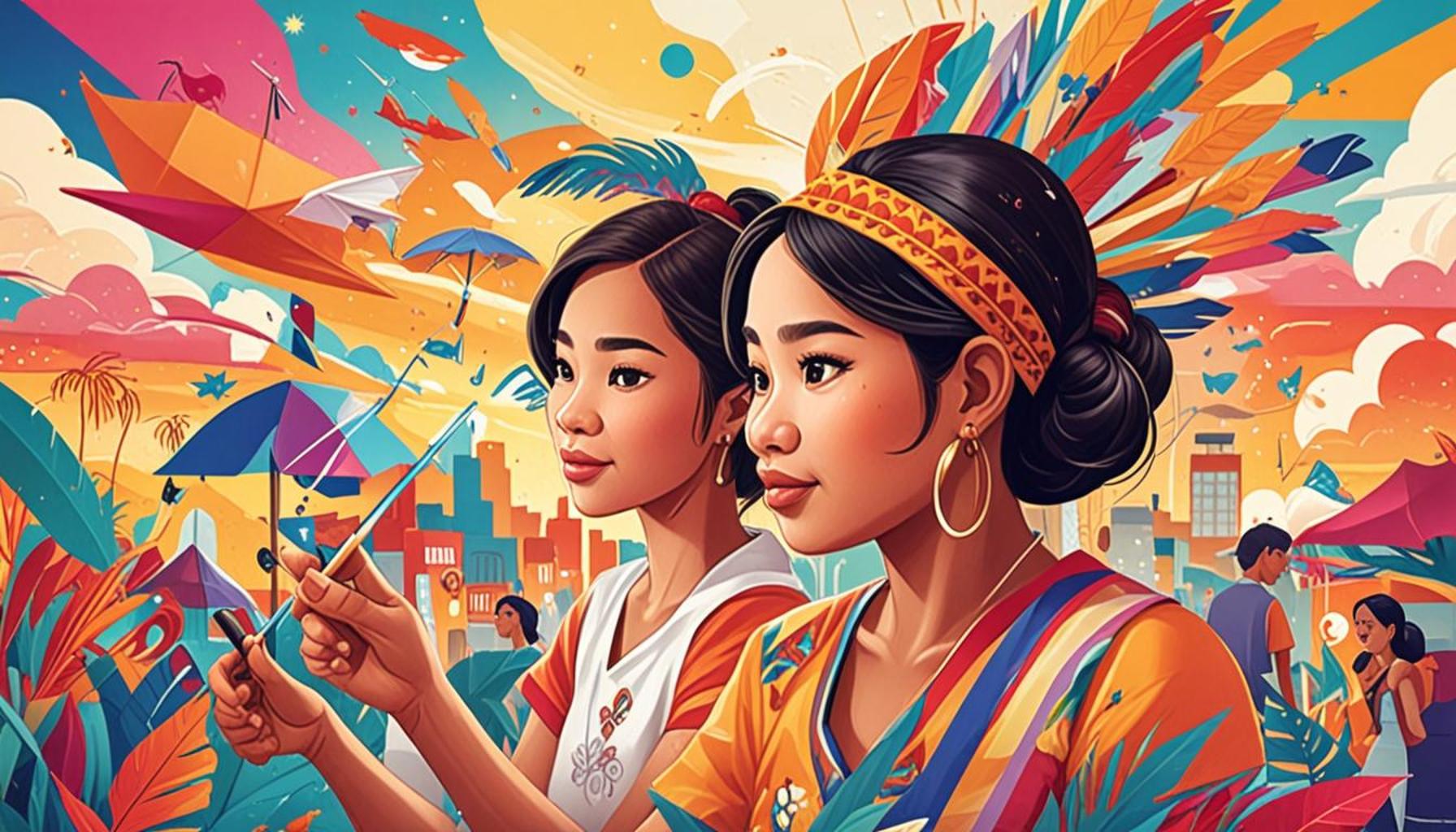
Understanding the Filipino Audience
In a world where digital content reigns supreme, adapting your message for local audiences is crucial. The Philippines, known for its vibrant culture and diverse populations, presents a unique landscape for marketers. Crafting content that resonates requires a deep understanding and strategic finesse. Filipino culture is a rich tapestry woven from a blend of indigenous traditions, colonial history, and contemporary influences, which collectively shape the values and preferences of its people.
Why Localization Matters
Localized content strategies can significantly enhance engagement. Here are key reasons to focus on the Filipino audience:
- Cultural Relevance: Filipinos place a high value on content that mirrors their customs, traditions, and values. Festivals like Sinulog or Pahiyas are not just significant events; they are milestones in the Filipino calendar. Marketing messages that resonate with these events can show a brand’s commitment to understanding local culture.
- Language Nuances: The Philippines is home to over 175 dialects, with Filipino and English as the official languages. Incorporating local dialects, such as Tagalog, Cebuano, or Ilocano, and using idiomatic expressions can significantly boost relatability. A marketing campaign that utilizes the phrase “Basta’t may pamilya, kahit anong hirap kayang lampasan” can evoke a sense of community and familial bond familiar to many Filipinos.
- Social Media Influence: The Philippines has one of the highest social media usage rates in the world, with platforms like Facebook being pivotal in daily communication. Tailoring messages to fit the unique culture of Filipino online interactions, filled with memes, humor, and local trending topics, is essential. Brands can leverage viral sensations or local influencers to further enhance engagement.
Effective localization doesn’t simply entail translation. It includes finely adjusting content to resonate with local preferences and sensitivities, such as:
- Visual Elements: Using images and symbols that are familiar within the Filipino context enhances relatability. For example, a marketing campaign showcasing traditional Filipino foods or local scenery can spark positive associations.
- Humor and Tone: Humor is an integral part of Filipino communication. Finding the right balance in tone—be it light-hearted, humorous, or serious—can engage the local audience effectively. A witty approach or a humorous take on daily Filipino life can work wonders for brand perception.
- Current Events: Incorporating relevant topics that resonate with present-day Filipino society is paramount. Ideas related to ongoing issues like environmental sustainability, community empowerment, or national pride act as a bridge connecting brands and customers.
Adapting your message for the Filipino audience opens up opportunities for deeper connections and meaningful interactions. As you explore effective localized content strategies, it’s important to remember that understanding what truly matters to your audience is the cornerstone of success. Engaging with local stories, honoring customs, and being present in conversations can create a significant impact, leading to mutual appreciation and brand loyalty.
LEARN MORE: This related article may interest you
The Importance of Cultural Sensitivity
To effectively engage the Filipino audience, one must grasp the intricacies of cultural sensitivity. The Philippines boasts a population that is deeply rooted in family values, respect, and community, which are essential components of everyday life. Therefore, any localized content strategy must not only aim to inform but also to respect and celebrate these values.
Understanding familial and communal ties is crucial in shaping marketing messages that resonate profoundly. Filipinos often find themselves prioritizing their loved ones over personal gain, which is evident in the saying, “Family is everything.” This sentiment should be reflected in content strategies, portraying brands that foster community responsibility and familial support. Marketing campaigns that highlight shared experiences—be it family gatherings during holidays or the spirit of bayanihan—will undoubtedly captivate the audience’s attention.
Embracing Visual and Contextual Elements
Visual storytelling plays a pivotal role in localized content strategies, as it captivates the Filipino audience by eliciting familiarity. Using local symbols, colors, and imagery can help brands forge a stronger emotional connection. The concept of “home” is significant in Filipino culture, and illustrations that depict traditional homes or settings instill a sense of nostalgia and comfort.
Moreover, context is everything. For instance, to effectively communicate with the Filipino market, one must consider the cyclical nature of their socio-political landscape. Events like the yearly elections, public holidays, and community festivities serve as perfect backdrops to integrate brand messages that feel timely and relevant. A clothing brand launching an ad campaign during the Christmas season featuring local traditions can effectively capture attention while demonstrating cultural alignment.
Leveraging Local Influencers and Trends
The integration of local influencers into content strategies can significantly bolster brand visibility and credibility. Influencers in the Philippines, often regarded as modern-day local heroes, possess a distinctive ability to connect with audiences in an authentic manner. By collaborating with popular personalities who exemplify Filipino values, brands can tap into pre-existing trust and admiration.
It’s essential to stay tuned to the most current trends circulating within the local social media landscape. In a country with a rich tapestry of memes, challenges, and trends, brands must ensure their content resonates and aligns with ongoing conversations. Participating in viral trends, while maintaining brand identity, can position a brand as culturally aware and responsive.
- Incorporating Local Humor: Filipino humor is unique—often playful and self-deprecating. Campaigns that integrate this style can create a relatable and enjoyable experience for audiences, allowing for deeper engagement.
- Celebrating Local Pride: Many Filipinos take immense pride in their identity. Campaigns that highlight Filipino achievements or cultural symbolism can enhance brand loyalty and foster positive associations.
- Addressing Local Issues: Taking a stand on social issues prevalent in the Philippines is not only relevant but can also resonate deeply with audiences seeking meaningful connections with brands.
Ultimately, creating a successful localized content strategy for the Filipino audience hinges on an authentic appreciation for their culture, traditions, and societal dynamics. This involves not just celebrating the uniqueness of Filipino identity but also actively participating in their collective narrative. As brands strive to establish their presence in this vibrant market, applying these principles can lead to more impactful interactions and enhanced brand loyalty.
| Advantage | Description |
|---|---|
| Cultural Relevance | Tailoring content that resonates with local customs and traditions enhances customer engagement. |
| Improved Brand Loyalty | Localization fosters a personal connection, driving customers to prefer your brand over competitors. |
| Higher Conversion Rates | By speaking directly to the audience, localized messages can lead to increased purchase decisions. |
| Enhanced Customer Experience | Customized messages improve user interaction and satisfaction, reducing bounce rates significantly. |
The Filipino audience is multifaceted, with rich cultural diversity. This necessitates an approach that not only uses their language but reflects their lifestyle and values. For businesses aiming to penetrate this vibrant market, localized content strategies become vital. Understanding local dialects, nuances, and preferences enables marketers to create content that truly connects.For instance, integrating timely local events or festivals in marketing campaigns can resonate more profoundly with the Filipino audience, showcasing the brand’s commitment to understanding their customers’ environment. Similarly, featuring local testimonials or collaborations can significantly uplift a brand’s image. Moreover, digital platforms prevalent in the Philippines, like Facebook and Instagram, serve as effective channels to engage users with localized content. By optimizing these strategies for search engines using targeted keywords, businesses not only increase visibility but also enhance relevance with the Filipino audience, leading them to explore more about offered products and services. In conclusion, the key to successful localization lies in authenticity and relatability, making every effort count toward creating impactful connections.
SEE ALSO: Click here to read another article
Building Trust Through Local Partnerships
In the Philippines, trust is a cornerstone of consumer behavior, and brands that prioritize building relationships with local partners can see substantial rewards. Forming alliances with local businesses or community organizations not only enhances credibility but also allows brands to participate in the local ecosystem actively. For instance, a food brand could collaborate with local farmers or community markets to source ingredients, thus fostering a narrative of support for local agriculture and sustainability.
Such strategies resonate well with the Filipino audience, as many consumers prefer to support brands that contribute positively to their communities. Furthermore, leveraging local partnerships can create a ripple effect, fostering additional engagement through shared marketing efforts. By tapping into the networks and credibility of local partners, brands can effectively broaden their reach and engage a more substantial audience.
Utilizing Regional Languages and Dialects
The Philippines is a linguistically diverse nation, with over 175 languages spoken across its many islands. While Filipino (a standardized form of Tagalog) and English are widely recognized, utilizing regional languages can significantly enhance the connection with local audiences. Presenting content in languages such as Cebuano, Ilocano, or Hiligaynon demonstrates a brand’s commitment to inclusivity and cultural relevance.
Consider the impact of localized advertisements that incorporate everyday phrases and colloquialisms specific to various regions. Brands that use these linguistic nuances are more likely to resonate with the local community, creating a sense of familiarity and trust. This approach not only garners positive brand sentiment but also strengthens customer loyalty by appealing directly to the customer’s heart.
Creating Immersive Experiences
Another innovative way to locally adapt content strategies is through the creation of immersive experiences that engage the Filipino audience beyond traditional channels. Events that celebrate cultural festivals, such as Sinulog or Pahiyas, can provide brands an opportunity to integrate themselves into the heart of Filipino celebrations. Sponsoring events or creating pop-up experiences that reflect rich Filipino traditions can carve a niche for brands within the community.
For example, a beverage brand could host a summer festival featuring traditional Filipino games or cooking classes showcasing local dishes. Such engagements enable brands to enter into the social fabric of Filipino life, allowing consumers to experience the brand in a culturally rich context. By doing so, brands not only promote their products but also foster a community-oriented atmosphere that resonates with their audience’s values.
Understanding Consumer Behavior and Preferences
A thorough understanding of consumer behavior in the Philippines is essential for effective localization. Insights into the Filipino consumer’s preferences can provide businesses with a competitive edge. Research indicates that Filipino consumers are heavily influenced by peer recommendations and are more likely to engage with brands that prioritize social proof in their marketing strategies.
Moreover, price sensitivity is a significant factor in the Philippines, where many consumers are budget-conscious. Brands must navigate this landscape by offering value-driven messages that highlight affordability without compromising quality. Localizing promotional campaigns around popular sales seasons, such as “11.11” or “12.12,” and making use of localized pricing strategies can optimize appeal to the consumer base.
- Incorporating Authentic Testimonials: Utilizing real customer testimonials in local dialects can bridge the gap between brands and consumers, fostering genuine connections.
- Tailoring Promotions: Offering promotions and discounts that align with local festivities or paydays can have a significant impact on purchasing decisions.
- Responding to Feedback: Actively engaging with feedback from local consumers on social media platforms and adjusting strategies accordingly demonstrates that brands are listening and valuing customer opinions.
By employing these strategies, brands not only cultivate authentic connections but also solidify their presence within the Filipino market, ensuring their messages resonate deeply with a diverse and vibrant audience.
LEARN MORE: This related article may interest you
Conclusion
In an increasingly globalized world, brands must recognize the importance of implementing localized content strategies to effectively engage with specific markets, such as the Filipino audience. By fostering authentic connections through local partnerships, brands can enhance their credibility and build trust within communities, addressing the core expectations of Filipino consumers who value socially responsible businesses.
The Philippines’ rich linguistic diversity further emphasizes the need for brands to adapt their messaging, employing regional languages and colloquialisms to resonate deeply with local audiences. This approach not only shows a commitment to cultural inclusivity but also promotes stronger brand loyalty among consumers who feel represented.
Additionally, creating immersive experiences tied to local festivals and traditions allows brands to weave themselves into the social fabric of Filipino life, creating meaningful connections that transcend transactional relationships. Understanding consumer behavior and preferences is paramount; brands that acknowledge the significance of peer recommendations, price sensitivity, and cultural relevance will undoubtedly gain a competitive edge in this vibrant market.
In conclusion, by embracing these localized content strategies, brands can carve a special place in the hearts of Filipino consumers. The fusion of trust-building, linguistic harmony, and community-centric experiences creates a powerful narrative that fosters not only brand success but also cultural appreciation. For businesses looking to thrive in the Philippines, a tailored approach will not only optimize engagement but will also celebrate the unique identity of this dynamic audience.