The Role of Social Media in the Evolution of Content Strategy
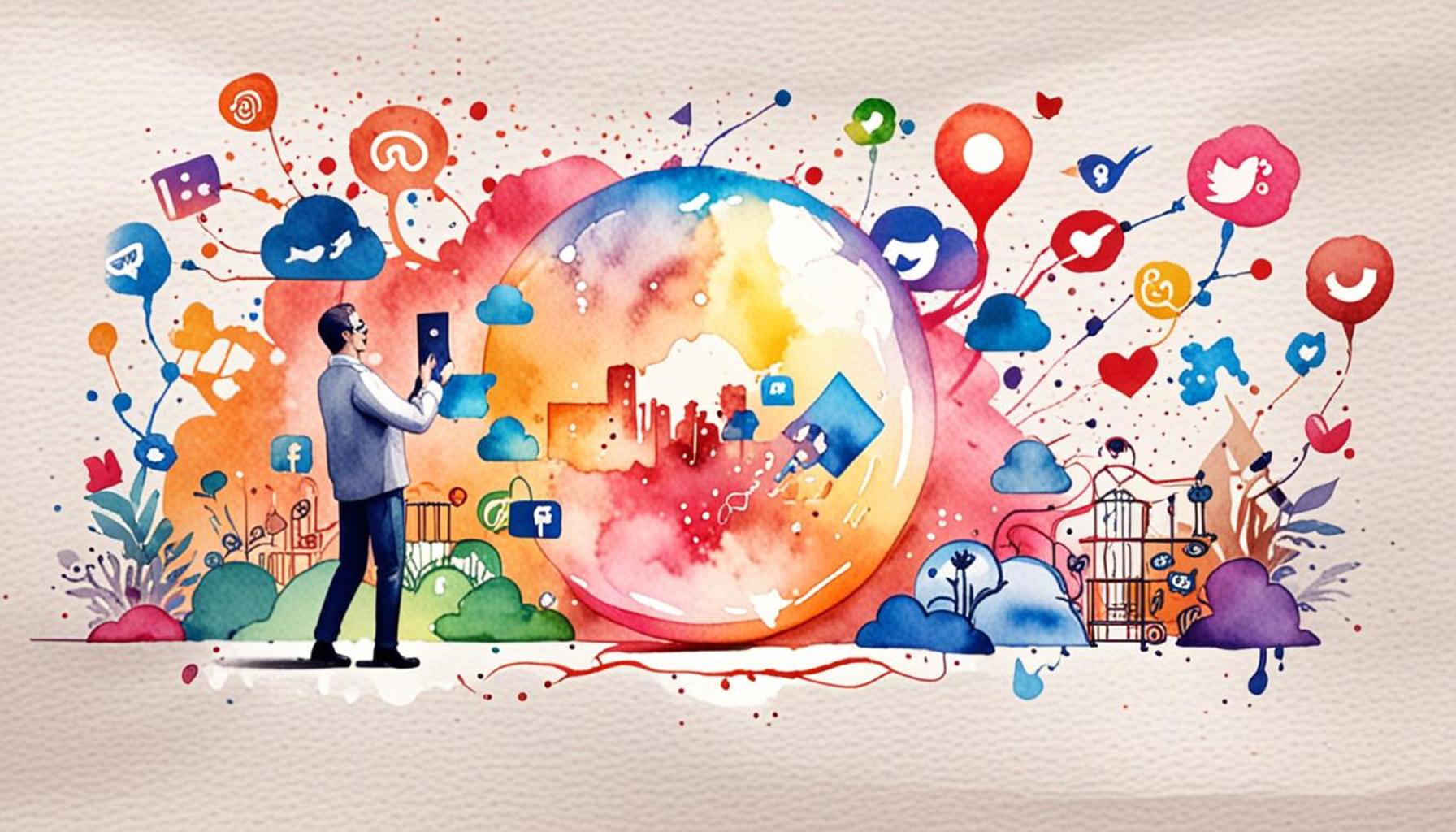
Social Media’s Influence on Content Strategy
In an era defined by the rapid advancement of technology, social media has become a cornerstone of modern content strategy. With platforms like Facebook, Instagram, and Twitter influencing how information is consumed, creators must navigate a continuously shifting landscape. Understanding this evolution is imperative for anyone aiming to engage effectively in today’s market, particularly in regions like the Philippines.
Pivotal Shifts in Content Strategy
The integration of social media into content strategies has altered the dynamics of communication between brands and consumers. Here are some of the critical ways in which social media reshapes content strategies:
- Real-Time Feedback: The instantaneous nature of social media allows audiences to provide immediate reactions to content. For instance, when a brand launches a new product through an Instagram post, they can quickly gauge consumer reactions via comments and likes. This feedback loop enables brands to adjust their messaging almost in real-time, aligning their strategies more closely with audience demands.
- Viral Trends: Content on social media can spread exponentially through shares and likes, enabling brands to tap into viral trends that reveal popular demand. A local café in the Philippines, for example, may create a unique coffee concoction that garners attention online, leading to increased foot traffic as more people flock to try the latest trend.
- Diverse Formats: Social media accommodates various content formats—videos, infographics, stories—catering to diverse audience preferences. For instance, the appeal of bite-sized video content on platforms like TikTok or the storytelling seen on Instagram Stories allows creators to engage users in different ways, ensuring a broader reach and deeper engagement.
The Philippine Social Media Landscape
In the Philippines, where over 80 million people are active users of social media, its impact on content strategy is profound. Local brands leverage these platforms to emphasize cultural relevance and foster personal connections with users. For example, brands such as Jollibee and Globe Telecom have successfully tapped into local festivities, creating content that resonates with the Filipino heart. Campaigns celebrating significant events like Christmas or National Heroes Day capture the essence of Filipino culture, enhancing brand loyalty and engagement.
Consumer Behavior in a Digital Age
As social media continues to evolve, exploring its intricate relationship with content strategy reveals not only emerging trends but also significant shifts in consumer behavior. People today expect brands to be transparent and responsive. As such, marketers and content creators must stay informed about the latest developments and remain adaptable to changing consumer expectations. The future of content strategies hinges on this adaptability, as the lines between brands and consumers blur.
By staying ahead of these trends, brands can forge deeper connections with their audiences, ultimately driving engagement and loyalty. Join us as we explore the ever-changing influences of social media on content strategies and what it means for the future of communications in the Philippines and beyond.
ADDITIONAL INSIGHTS: Expand your understanding here
Transforming Audience Engagement through Social Media
As the digital landscape continues to transform, social media plays a vital role in the evolution of content strategy. With the advent of diverse platforms, brands are no longer just broadcasters; they have transformed into active participants in conversations with their audience. This shift has profound implications for how content is crafted, shared, and consumed.
The Shift from One-Way Communication to Two-Way Interaction
Historically, content strategies largely revolved around one-way communication, where brands disseminated information without much feedback from consumers. However, the rise of social media has introduced a dynamic two-way interaction, encouraging dialogue rather than monologue. Brands are now tasked with crafting messages that invite responses, validate consumer experiences, and foster community.
The impact of this shift is evident in various ways:
- Inclusive Content Creation: With social media, brands are integrating user-generated content into their strategies. For instance, Filipino brands often encourage customers to share their experiences, resulting in authentic content that resonates more deeply with prospective buyers.
- Community Building: Social media platforms offer brands a unique opportunity to build communities around common interests. For example, food and beverage brands in the Philippines utilize platforms like Facebook Groups to create spaces where consumers can share recipes or reviews, effectively building a loyal customer base.
- Emphasis on Storytelling: Stories are more powerful than mere advertisements. In the Philippines, brands harness storytelling techniques on platforms like Instagram, conveying their values and missions in a way that captivates audiences and draws them in.
Adapting to Trends and Cultural Nuances
In the Philippines, where various cultures and dialects intertwine, social media offers brands the chance to adapt their content strategies to reflect local sentiments and trends. This adaptability is not merely advantageous but essential for survival in a highly competitive market. Bridging the gap between local culture and trending global content allows brands to relate to their audiences in a meaningful way.
For instance, during local festivals such as Sinulog and Pahiyas, brands often tailor their messaging to align with these vibrant cultural celebrations, incorporating traditional elements that resonate with the Filipino spirit. This not only draws engagement but also fosters a sense of belonging among customers.
The Analytics Advantage
Another transformative aspect of social media in content strategy is the wealth of analytics and insights that platforms provide. Brands can track engagement metrics, audience demographics, and content performance in real-time, enabling them to fine-tune their strategies effectively. In the Philippine context, leveraging these insights allows local businesses to identify emerging trends, optimize their campaigns, and ultimately enhance their connection with their target audiences.
As we delve deeper into the nuances of social media’s impact on content strategy, we uncover a landscape rich in opportunities for brands willing to engage, adapt, and grow with their audiences. By recognizing the importance of this evolution, businesses can stay competitive and relevant in an ever-evolving digital world.
The Role of Social Media in the Evolution of Content Strategy
As communication continues to evolve, social media has emerged as a critical player in shaping content strategy. Platforms like Facebook, Twitter, and Instagram are no longer just channels for sharing personal updates; they have transformed into powerful tools for brands to connect with their audiences. This revolution is steering marketers towards more dynamic and interactive content development processes.
Content Personalization is one of the most significant contributions of social media to content strategy. By collecting data on user preferences, behaviors, and interests, brands can tailor their content to meet the unique needs of their target demographics. This personalized approach not only enhances customer engagement but also increases conversion rates—marketers report that personalized content yields a 20% increase in sales opportunities.
Moreover, social media fosters an environment of real-time feedback. Brands can gauge audience reactions instantly, allowing them to adapt their strategies and content on the fly. This level of responsiveness is vital in today’s fast-paced digital landscape. For example, a viral post may inspire a brand to create additional related content or a different campaign entirely based on audience engagement metrics.
Another pivotal advantage of social media is the ability to enhance brand awareness. By leveraging user-generated content and sharing customer experiences, brands not only promote their products but also build a sense of community. When customers feel connected to a brand’s social presence, they become more likely to advocate for it and share it within their networks, amplifying reach without significant marketing investment.
Additionally, social media aids in establishing thought leadership. Brands can position themselves as experts within their niche by sharing insightful articles, industry trends, and engaging with current events. This not only drives traffic back to their websites but also encourages further dialogue from followers, enriching the overall brand narrative and solidifying trust among consumer bases.
| Category 1 | Category 2 |
|---|---|
| Content Personalization | Tailoring content to audience preferences increases engagement and conversion rates. |
| Real-Time Feedback | Allows brands to adapt their strategies quickly based on audience reactions. |
| Brand Awareness | Fosters community and advocacy through shared user experiences. |
| Thought Leadership | Establishing expertise enhances brand trust and drives traffic. |
These elements illustrate how social media is not just an addition to content strategy, but rather a cornerstone that drives innovation and adaptability in response to ever-changing consumer expectations.
ADDITIONAL INSIGHTS: Expand your understanding here
Leveraging Influencer Collaborations
A significant development in content strategy shaped by social media involves influencer collaborations. The trend of partnering with influencers has become a cornerstone of modern marketing tactics. Brands in the Philippines are increasingly looking to local influencers who embody their target demographics and values, leveraging their established trust and rapport with followers to enhance brand visibility and credibility.
The Power of Local Influencers
Filipino influencers wield considerable influence in their respective niches—from fashion and beauty to food and travel. These influencers not only have extensive reach but also intimate knowledge of their audience’s preferences, making them invaluable assets for brands. Collaborating with influencers allows brands to showcase their products through authentic storytelling, generating deeper emotional connections with consumers.
For example, during the recent Metro Manila Fashion Festival, various brands partnered with fashion influencers to promote not only their designs but also the cultural significance of local textiles. This synergy allowed brands to demonstrate a commitment to local craftsmanship while driving engagement through influencer-led content that celebrated Filipino heritage.
Content Diversification through Partnerships
As influencers form partnerships, they bring their unique voice and style to brand messaging, creating diverse content types. Social media platforms enable brands to experiment with formats such as live videos, reels, and stories, which resonate well with digital natives. In the Philippine context, platforms like TikTok have exploded in popularity, prompting brands to create fun and engaging short videos that cater to local humor and trends.
Also noteworthy is the rise of multi-influencer campaigns targeting specific audience segments. For instance, a beauty brand may collaborate with both beauty enthusiasts and lifestyle bloggers to reach a wider audience, fostering inclusivity and dynamism in brand representation. Such campaigns can lead to increased engagement metrics, including shares and likes, ultimately amplifying brand reach and relevance.
Building Authentic Relationships
Consistency and authenticity have become paramount in today’s content landscape. Consumers in the Philippines value genuine connections with brands and their ambassadors. This has led to the emergence of long-term partnerships between brands and influencers, moving beyond one-off collaborations to build a sustained narrative that consumers can relate to and trust.
For instance, a local wellness brand may enlist a health influencer to consistently share fitness tips, healthy recipes, and personal wellness journeys. Such ongoing storytelling not only enhances brand loyalty but also positions the influencer as a trusted advisor, solidifying the brand’s credibility within the community.
Emergence of Social Media Challenges
Challenges, however, arise in the quest for authentic content. Brands often grapple with perceptions of insincerity when influencers’ promotions feel too polished or contrived. To combat this, Filipino brands are increasingly encouraging influencers to share behind-the-scenes glimpses, real-time experiences, and user feedback. This transparency promotes a more relatable and trustworthy image, which is pivotal in a landscape crowded with contrasts.
By fostering these relationships and integrating influencer content into broader content strategies, brands can ensure they create engaging, relevant, and culturally responsive messages that captivate their audiences. The symbiotic relationship between social media influencers and brands signifies a pivotal evolution in content strategy, emphasizing authenticity while enhancing audience connection in a rapidly evolving digital environment.
RECOMMENDED: Check out this similar article
Conclusion
The evolution of content strategy cannot be discussed without acknowledging the profound impact of social media. As brands in the Philippines navigate this dynamic landscape, they must understand that social media is not merely a platform for outreach; it is a cultural phenomenon that shapes consumer behavior and preferences. The rise of influencer collaborations highlights the need for brands to prioritize authenticity and relatability, as Filipino consumers increasingly seek genuine connections with the brands they support. This shift towards authentic storytelling enables brands to resonate on a deeper level, cultivating loyalty in an age where consumers are bombarded with oversaturated marketing messages.
Moreover, the versatility of social media allows for content diversification that aligns with the varying tastes of different audience segments. A robust content strategy today must leverage various formats—be it videos, live streams, or interactive polls—to capture attention and foster engagement. This also emphasizes the importance of being attuned to local culture and humor, which can significantly amplify audience engagement.
Ultimately, as the digital landscape continues to evolve, brands that invest in building long-term, transparent relationships with their influencers and consumers will stand out. The interplay of social media and content strategy is a testament to a new era of marketing where authenticity reigns supreme. By embracing these developments, businesses can not only enhance their visibility but also cultivate trust and community, securing a competitive edge in an ever-evolving marketplace.

Linda Carter
Linda Carter is a writer and marketing specialist who helps businesses and entrepreneurs build strong brands and effective growth strategies. With extensive experience guiding companies to increase their market visibility and make data-driven decisions, she shares practical marketing insights on our platform. Her goal is to empower readers with actionable advice and proven techniques to achieve sustainable business growth and marketing success.